Search This Blog

Sunday, 18 October 2026

Water Security

A friend recently told me a little ditty - "If it's yellow, let it mellow. If it's brown flush it down." Flushing the loo is an automatic habit, so sometimes I don't remember. I also feel slightly embarrassed if someone else uses a loo & I haven't flushed. I'm sure they think I have finally lost the plot!

In the UK we all take clean, drinkable water for granted. 

In 1829 engineer James Simpson built the first slow sand filter for the Chelsea Waterworks Company, marking the first large-scale treated public water supply for an urban population. In 1854 Dr John Snow proved that cholera spread via contaminated water pumps & safer municipal water sources were introduced. Sir Joseph Bazalgette built the first sewer network in London between 1859 - 1875 because of the "Great Stink" of 1875. All helped to wipe out the Cholera epidemic. So the UK has an almost 200 year history of providing clean water.

Today we have water companies that have been polluting our rivers & seas with sewage for decades. Privatisation of the water companies means that money was diverted to investor profits & management bonuses for years - Not used to properly maintain & future proof the system. 

Today we are building vast data centres which need huge amounts of water because the physical servers that store, process & send out video files for streaming generate massive amounts of heat. Think about that every time you press "play" on a film or show. Entertaining you is in danger of seriously depleting a natural resource that is not infinite. 

In 2026 we had 5 prolonged periods of drought. Although it has now rained we are still in drought. We don't have enough reservoirs because the privatised water companies sold off dozens of them for housing & commercial development & didn't build new ones. The ones we have are way below capacity. 

10 water companies have not been able to supply customers with water on demand in 2026. Only 2 companies avoided implementing a hosepipe ban - Severn Trent & Bristol. South East Water & Thames Water had to temporarily open bottled water stations in 2026 following major supply disruptions & pipe bursts in 2026.

 It's a perfect storm.

Don't for one minute think that 2026 is simply an unusual, difficult, year. The water infrastructure isn't just creaking, it isn't fit for purpose & we can no longer rely on rainfall to top up supply. Demand is increasing & supply is reducing. Privatisation has largely destroyed the infrastructure & profiteering means that there isn't the will to right the wrongs of decades. Shareholders & salaries take precedence.    

No other country in the world has followed this model of full privatisation. Our politicians created this & we allowed them to do it. We now realise just how wrong we were. 
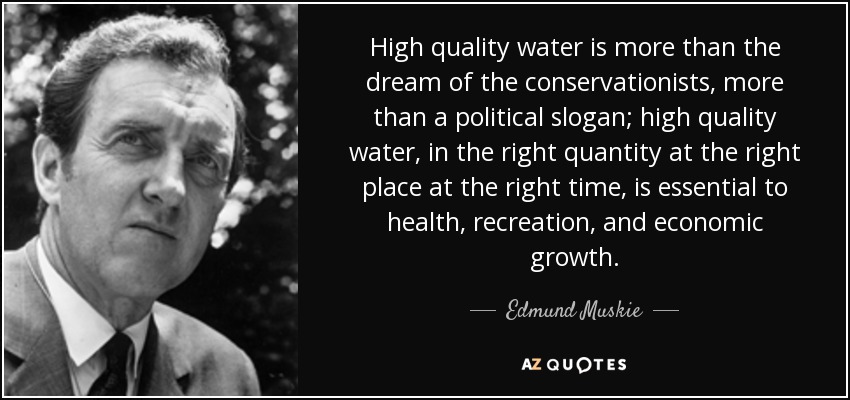
High quality water is more than the dream of the conservationists, more than a political slogan; high quality water, in the right quantity at the right place at the right time, is essential to health, recreation, and economic growth. - Edmund Muskie 


Thursday, 15 October 2026

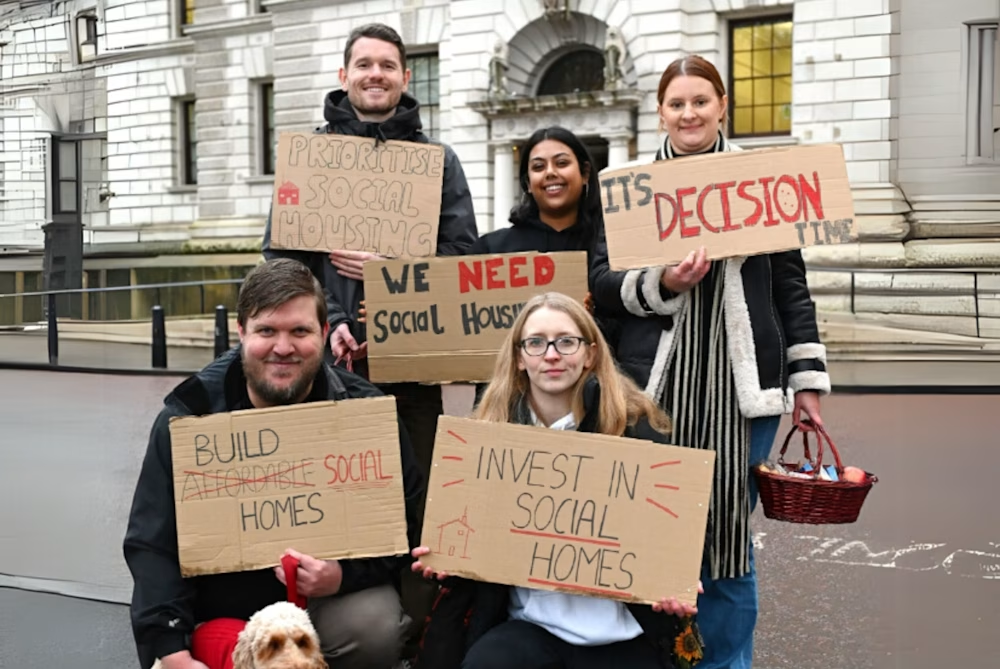
Transitional Communities - Housing the Homeless

For a few years I lived in Houndscroft, a hamlet outside Stroud. Stroud is a Transition Town, which means that it sets out to build local self-sufficiency, cut fossil fuel use, and adapt to economic & climate changes. I loved living there. It was possibly the best place I have ever lived in, but that isn't what this post is about.

This is about Transitional Housing & Communities. To clarify, that is short-to-medium-term, (usually a few months up to two years), structured, accommodation that acts as a bridge between crisis situations, emergency shelters, or institutional care and independent, permanent living. That doesn't mean only homeless individuals living on the street. It is for both individuals and families recovering from homelessness, economic hardship, addiction, incarceration, or mental health issues. Ideally it provides both a secure place to live, but also built-in support services like financial literacy, job training, mental health resources, and life-skills coaching. It is a whole package to turn people's lives around. It isn't emergency shelters—which only offer short-term, immediate relief.

The people needing this also need the tools and confidence to find independent, long-term housing. They  need plans tailored to each resident’s unique needs and circumstances. It needs a real commitment to change on the part of all participants. The need is driven by socio economic factors particularly affecting the vulnerable - Homelessness, Domestic Violence, Leaving Foster / Local Authority care at 18, Addiction & Prison. 

Statistically the largest group of individuals & households needing help are between 25 - 49. Below 25 it is categorised as youth homelessness. Whatever figure you find for homelessness will not be accurate because it's only the people who are registered in some way. The "hidden homeless" are many who sofa surf for example, or live with friends & family temporarily. 

Despite what those on the extreme right may want you to believe, charities and housing organisations state that homelessness is not a lifestyle choice, but the result of deep structural, financial, and personal crises. The key causes of homelessness are a severe lack of affordable and social housing, paired with rising private rents and frozen housing benefits, making private tenancies unsustainable for low-income households. Plus no-fault evictions, (Section 21 notices, which actually ended in May 2026), and the ending of private tenancies when landlords sell up.

We should all care about this issue because none of us are immune from the possibility that it could happen to us or someone we know. We should also care because we empathise & sympathise with people less able to cope, or who have problems we fortunately don't. 

https://images.ctfassets.net/6sxvmndnpn0s/5wy5Jx8gB2Bnt6ZQYE1ijb/58f4889ad496f12ca91864d10eed79ab/Outside_treasury_new.jpg?fm=avif&q=95&w=1000 

https://england.shelter.org.uk/what_we_do

https://www.crisis.org.uk/about-us/how-we-work/ 


Monday, 12 October 2026

Art Versus Science

Because I did Art/Architecture, Biology & English at A Level & didn't do Latin, I was told by my grammar school in 1963 I couldn't apply for University. It was a bit late to tell me because I was in my final year. Apparently universities didn't like mixed arts & sciences. Personally I think specialising too early is a mistake & a broad based education is better for the individual & society. So I did the next best thing & went to a college affiliated to London University which offered a 3 year degree equivalent course. These only came in in 1961, so it was quite new. The course specialised in art, music & drama as well as a comprehensive concentration on teaching. I am what I am today because of not going to university, so I am grateful.

The core education debate is "what is education for"? Should the driver be individual or societal? Should a child be allowed to pursue the subjects they like / are good at? Or, are the needs of society paramount, so they should be directed into areas society needs or lacks? You often hear the argument that some university courses are useless. Commonly criticised / low value degrees are - Creative Arts & Design (including Fine Art, Drama, and Fashion Design) - Performing Arts  (Music, Theatre Arts, and Dance - Mass Communications and Media Studies - Creative Writing and Film Studies). All of these so called "low value" degrees are arts. 

However in purely financial terms, the arts & culture sector generates approx 0.4 to 0.5% of the UK's GDP & the broader creative industries generate 5.5 to 5.7% of total economic value. The less quantifiable value of the arts is the benefit we all get from the various aspects of the arts & creativity. That can be in just looking & experiencing or in participating ourselves. I wonder if that even features in the figures I quoted. Think of all the art & craft materials & books sold to hobbyists.

I am a great believer in evidence, so science is important to me. More & more I feel that we need to be able to verify & challenge the information readily available to us from numerous sources, many questionable, if not totally unverified. We need scientists & empirically trained people to give us information we can trust. 

I suppose my argument is that in order to be the best that we each individually can be we need a broad based education for as long as possible. There is a heavy emphasis on STEM education (Science, Technology, Engineering, and Mathematics) which has historically sidelined arts & humanities.  Proponents of prioritising sciences contend that focusing on STEM aligns with labour market demands in high-growth sectors, and technology-driven economic strategies.

When students choose narrower subject combinations, research has shown that the proportion of students mixing arts and sciences has sharply drops, with exclusive STEM tracks doubling. There have been persistent funding cuts for creative & performing arts & a shift in the Strategic Priorities grant redirecting it to high cost healthcare & technical subjects. Governments are actively manipulating students choice towards a societal one.

 https://quotefancy.com/media/wallpaper/3840x2160/36863-Malcolm-S-Forbes-Quote-The-purpose-of-education-is-to-replace-an.jpg

We all need both arts & sciences to flourish. Our children need & deserve a flexible, broad based, curriculum right through the education system, including tertiary. The broader our knowledge & experience the more flexible we will be. In a changing world that is really important.   


Friday, 9 October 2026

Safety is an Illusion

I used to live in a village outside Newbury. We had Aldermaston, Greenham Common, Welford & Hermitage around us. We always felt that at least annihilation would be quick! Drones & Missiles can seemingly get anywhere now & there are currently about 630 military satellites in orbit. I'm sure it won't be long before they can use them to fire missiles anywhere. No one is safe in the 21st century.

Safety is protection from harm, danger or injury. It implies freedom from risk & involves rules, tools & choices to enable that freedom. We are all familiar with Health & Safety legislation applying to the workplace & the highway. At home we lock doors & keep harmful things away from children. Most of us are safety aware.

But none of that stops accidents from happening. None of that protects us from random acts of violence by others. None of that can protect us from terrorism & nations who would do us harm. That is why I think that safety is an illusion.

Personally I have had several accidents causing quite bad injury. My husband died in a sudden, unforeseeable, fatal accident. A really close friend died in a dreadful accident in the sea watched by his family. I could go on. 

Life is unpredictable & misfortune happens to everyone. But for some people safety is a concept they simply do not recognise or experience. People suffering from poverty, famine, despotic governments & war, natural disasters... Currently the world seems very unstable & full of turmoil. 

We take safety for granted in the UK. Probably we shouldn't. At the lower end of the scale do you really think we have food security? After this summers heatwaves & the pollution issues with the water companies, do you think we have water security? Given the war between Russia & Ukraine is Europe safe? Given the American war with Iran do we have energy security? Of course not.

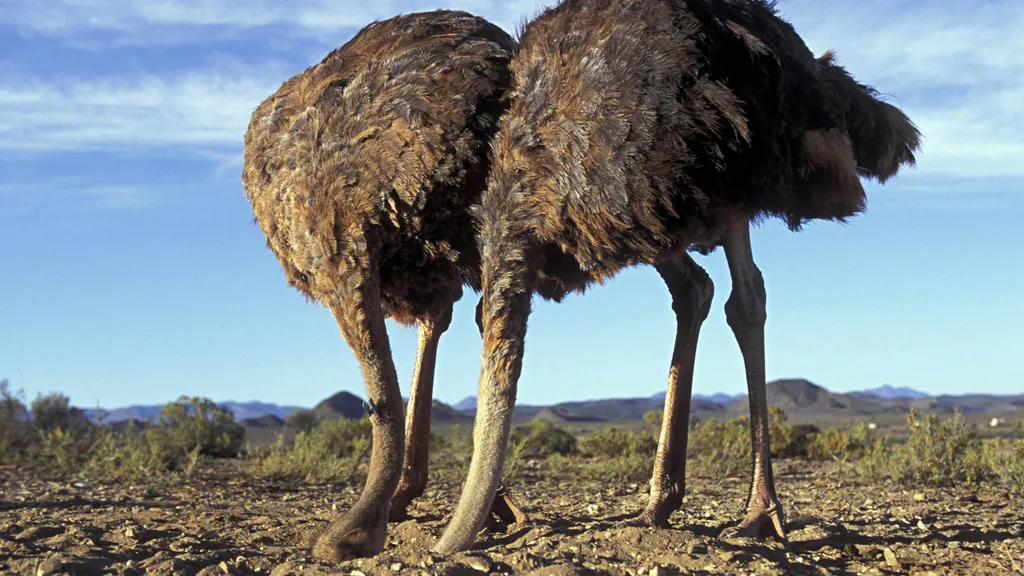
So what do we do? Do we, individually, bury our heads in the sand & hope the worst won't happen? Or, do we do whatever we can to be reliably informed & prepared for possible eventualities? Hopefully the latter. Personally if I were younger I would consider moving to a more remote area & be as self sufficient as possible. But at 81 that isn't an option. I'm not exactly a Doomsday Prepper, but a lot of the tech billionaires seem to be. Maybe they know something we don't.

I'm not alone - See BBC Wales - https://www.bbc.co.uk/news/articles/c33j0rdnry1o  There is civil unrest which could lead to looting & fires, cyber attacks could take down the national grid for example, any number of threats. It isn't a question of the worst case scenario, but more the possibility of needing a torch, multi tool & camping equipment in your own home. Also being able to defend your home. 

I do think we should all be thinking seriously about preparing for the unexpected & making our homes & ourselves as resilient & safe as possible. It may never happen, but do you really want to take that risk? Do you want to be the ostrich with your head in the sand?

https://cdn.mos.cms.futurecdn.net/E8ADYzrUrXzNCz3J8LWTdc-1024-80.jpg.webp 


Tuesday, 6 October 2026

Memories & Remembering

Like many people my age my short term memory is getting very unreliable. I read in bed at night & have to go back a few pages every night to remind myself of what I previously read. If I watch a weekly TV series I have forgotten what happened in the previous week by the time it comes around again. I think that is all perfectly normal, however frustrating. I don't particularly worry about it.

I have never been able to remember much about my childhood. I suspect I have actually blocked much of it out because it wasn't easy. Even hypnotism didn't help me remember. By the time I left college at 21 I was really glad that I didn't have to return & live at home. I married & started a professional job in a different part of the country to my parents. 

Friends remember things about our friendship that I don't. My daughter remembers things about our lives that I don't. I tell myself it's because I tend not to look back. I prefer to live for today & look forward. 

Nowadays I need prompts to remember what is happening in my life. But I am an organised person & generally the prompts work. The most frustrating thing is not being able to recall words, even names of people I know well. I have a visual memory so I can see an image of the person / thing but can't remember the name. In common with many people I can set off to do something & in seconds the task has drifted out of my mind, so I'm walking somewhere to do something but don't know what.

There are things in everyone's life it is important to remember & things best forgotten. Dwelling on past arguments & mistakes really gets you nowhere. It has happened & cannot be changed. The most important thing is to not repeat the mistakes. To learn from them. On the other hand as you age you realise that good memories are little nuggets of gold to be treasured. 

Now that I am less mobile & not able to travel to far flung places as I once did, I realise that my best memories are of wonderful journeys I had with my husband. We tended to focus on challenging walks in beautiful & varied landscapes. There is nothing quite like ascending to great heights & looking down from mountains. It gives you perspective. There is also nothing quite like meeting people who have a completely different culture & realising that we have more in common than the things that divide us. There is nothing like visiting sites of ancient civilisations & realising that we do not have a monopoly on creating & building. 

Travel does broaden your horizons & your mind. So these are the memories that I hope I retain. 

We now live in a time where we should all consider whether travel is justified because of the climate emergency. At the very least we should consider choosing land travel & avoid flying. Sadly many of the countries I travelled to are now unsafe because of civil unrest, criminal regimes & war. 

https://www.adventureinyou.com/wp-content/uploads/2015/04/travel-quote-484x720.jpg 

Times have changed & we have to change with them.    

Saturday, 3 October 2026

Being a Citizen

Being a citizen is a contract. It means being a legally recognised member of a country, state, or city & owing allegiance to it's government. In return the citizen receives full civil & political rights. Possibly that contract needs to be made much clearer, because it seems to me that too many of us are too ready to claim our rights & ignore our individual responsibilities. We are selfish. We want the benefits without contributing. 

Turnout at the 2024 general election was 59.7%, which was the lowest at a general election since 2001


Turnout at local elections is even worse.


It doesn't seem too much to ask that people go to a polling station & cast a vote for whomever they want to make decisions for them in return for the benefits of living in a democracy. You can even do it by post if that's too much effort!

Apparently voter numbers have declined globally since the 1960's. So it isn't just Brits. People least likely to vote are younger people, people with fewer qualifications, people with lower socio-economic backgrounds, people who were born overseas and people from ethnic minority groups. Exactly the people who I would argue need to be heard in this ever widening gap between the rich & the poor, the educated & the uneducated. A relatively small number of people in the UK may not vote due to political disengagement and/or logistical or bureaucratic barriers such as incorrect registration on the electoral roll.

To be honest I think it's more a feeling of apathy & lack of confidence that one vote matters. It does & will do even more if we get a fairer voting system than the current one.

I'm reading "Fahrenheit 451" by Ray Bradbury. It is so prescient & paints a picture of where this could so easily go if we don't all ensure that we know & understand what is happening in the world & the UK. Then we need to actually do something to try to make sure that decision making is in the interests of humanity & the world we live in.  


Wednesday, 30 September 2026

Value

Value can be what something is worth, or it can be what you personally value, which may not be valuable in monetary terms at all. Both are important. The latter speaks to your own values, what matters to you & what doesn't.

I'm just having a clear out in my house. I'm bearing in mind what William Morris said ""Have nothing in your houses that you do not know to be useful, or believe to be beautiful." So stuff is gradually being disposed of in one way or another. 


As you age, you refine the things you value. Over the years we all accumulate a lot of stuff. Much of it sits in cupboards & drawers untouched for months, even years. There comes a time when you have to question whether it deserves a place in your home. If you meditate on your own mortality you should think about the onerous job you leave behind for friends & family to get rid of all your worldly possessions. Giving them away while you are alive at least gives you the satisfaction of knowing that someone else needs or wants them & benefits from your gift. 

The issue of what you personally value is more complex & ethical. But again, I think ones moral values crystallise over the years. Although I don't have belief in any of the main religions, or even a god, I do value ethics & a moral code. It seems to me that the main thing we should all value is the sanctity of life, whether it is human or not. So we should care about what is happening to people all over the world. They may have cultural & religious differences to us, but that does not make them any less valuable or important. We should also value & protect all living species, if not for any other reason than everything is part of one huge symbiotic ecosystem. If we damage part of it, we ultimately damage ourselves.

I have been watching the excellent BBC series "Corridors of Power - should America Police the World" The one thing it shows us is that we do not value human life. If that is true what on earth do we truly value? 


Saturday, 26 September 2026

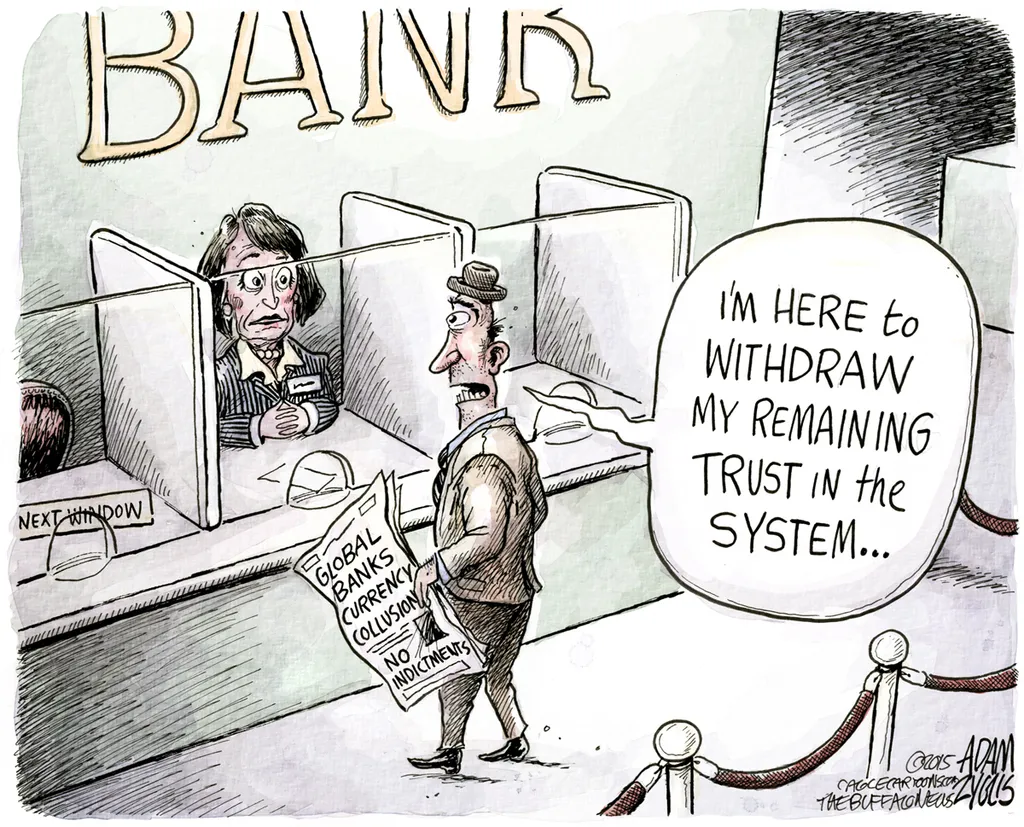
Bankers & Banking

I am really annoyed & frustrated. 

I spent ages yesterday & today trying to speak to a person at Santander bank. An hour on the security phone line yesterday listening to repetitive music guaranteed to send you insane & 57 mins on the website Chat - No response to either. Today 28 mins on the phone before someone answered & actually cancelled the debit card, plus 20 mins on Chat simultaneously - no response. 

The thing is that it was quite serious - I had an email from a company I deal with saying there had been a "third-party service provider used during (their) payment authentication process (who) experienced unauthorised access to its systems. We have established that your full card number, expiry date and card security code (CVV) were included in the information accessed". 

Santander say "you can easily manage your current accounts" and "The easiest way to get the answers you need is to ask our digital assistant, available 24/7" and "We aim to be an inclusive and accessible bank. We want to be there for the moments that matter" and "​​You matter to us"

Fine words not backed up by actions. 

  • I couldn't find anywhere to register that my card had been compromised unless there had been suspicious transactions on it - which there hadn't. 
  • I couldn't find anywhere to make a formal complaint about my experience on the website & phone.
  • There is no form to fill in or email address to do that.
  • No phone call back facility if they are busy

I discovered today that there had been some problem at Santander yesterday. No idea what it was other than it was a major outage & Santander were aware. But why weren't customers told when they tried to contact the bank so that they didn't waste time trying to get through. Surely there could be a recorded message on the phone lines? I did get into my computer website so why wasn't there a message on the home page?

If they were aware, surely the first thing they should do is notify their customers? According to Which? Santander is at the top of the list for bank outages. Their systems are very clunky & basic. Santander UK reported pre tax profits of £202 million for the first quarter of 2026. Ana Botin, the exec Chair of Santander, 2025 pay rose by 34.6% to €18.54m. Surely some of that could have been spent improving customer service.

I have now made a formal complaint on a Chat & to the person I finally got to speak to on the phone. It will be really interesting to see what their response is. I doubt it will be anything other that an apology & maybe a few quid. But that isn't what customers want. 

https://cdn.mos.cms.futurecdn.net/voYkx7DZ6zuZWnkcisjiAj-1024-80.jpg.webp 

We want very well paid bankers & shareholders to do their jobs properly & provide a really good customer experience. Some do, but not Santander.  


Thursday, 24 September 2026

Being Sacked

We often don't "call a spade a spade" as my dad would have said. We are fond of euphemisms, so we use "being let go" instead. Or "being released", "parted ways", "being laid off". How contrived is that? The HR term is "separation of employment". "Getting the boot" - "Getting your marching orders" - "Getting axed" are cruder slang versions. The bottom line is you loose your job & everything that goes with a reliable salary.

There is a difference in how often people are sacked according to their status, contract type & length of service. The vast majority of people sacked have less than 2 years service. Temporary, zero-hours, or agency contracts are always terminated first. Private corporations have much higher dismissal / redundancy rates. Customer service, sales & tech have the highest volumes of sudden terminations because of performance targets & shifting business demands.

The interesting thing is that public sector employees are far safer. A civil servant, for example is far more likely to actually die in post than be sacked for poor performance. Firing rates are as low as 0.1% - 0.2%. UK Prime Ministers, Cabinet Ministers & senior political figures suffer from an incredibly high rate of turnover and involuntary departures compared to private sector leaders. They are vulnerable to "churn", often forced out due to backbench rebellions, media pressure, or ministerial code breaches. I can't find stats for how many politicians are sacked or forced to resign because of  mistakes or incompetence. Not enough I imagine.

Fewer private company senior executives are fired because their terminations are incredibly costly, often over 200% of their annual salary to replace. They are rarely sacked publicly, but are "let go" with negotiated settlements or redundancies. Paid for incompetence or negligence.

The conclusion must be that like so many things the music hall song, "She was Poor but she was Honest", is right ;-

"It's the same the whole world over,
It's the poor what gets the blame,
It's the rich what gets the pleasure,
Ain't it all a blooming shame?" 

Not only is the whole edifice skewed & unfair, but the people least able to cope with losing a job & a salary are the ones most likely to have to find a way to cope. They simply don't have a cushion of any sort. The people in roles with status have more protection, more money & more likelihood of moving on to another job. They are also not held accountable for failings in the same way. In fact they are given "golden handshakes to leave without fuss.

Frankly it's isn't just unfair, it stinks & should change. 


Monday, 21 September 2026

Private v Public Health Care

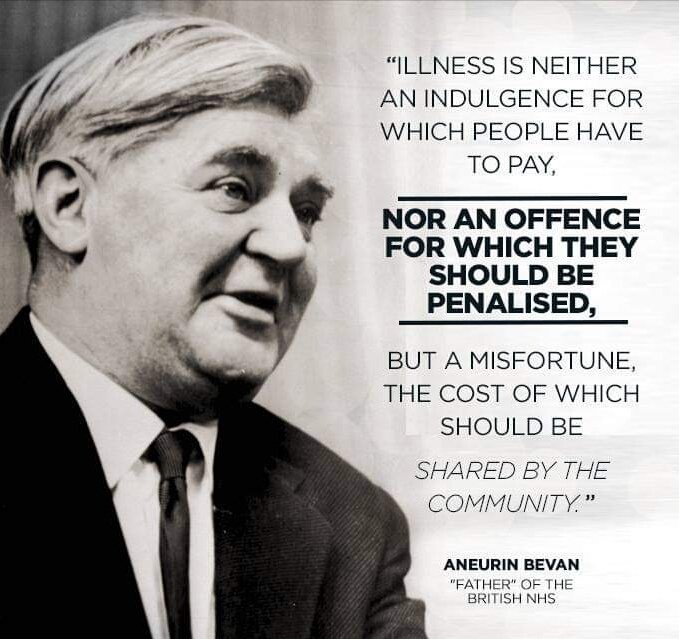
I have strong ethical reasons for not wanting to pay privately for health care;-

  • Health, well being & life should not be commodities to be bought & sold. (Nor should utilities & public services generally in my view.) 
  • If healthcare is a fundamental right, access to it should be based strictly on medical need, not on an individual's wealth or ability to pay.
  • A public system, where the wealthy use the same system as everyone else, ensures a vested interest in making that system well funded, efficient & high quality. It encourages social cohesion.
  • Private healthcare means private clinics. Private clinics lure doctors, nurses & resources away from the public system, worsening the quality of care available to the less fortunate. (Just look at America if you don't believe that).
  • To my mind it is morally wrong to profit from human suffering, illness & vulnerability.
  • There is evidence to show that private healthcare can lead to unnecessary, expensive tests or procedures in order to increase revenue. The focus should simply be on patient health.
  • Jumping the queue undermines equality because the wealthy can bypass the problems experienced by the "public".

In order to be even handed the counter arguments are that;- 

  • People should have the freedom to spend their legally acquired resources as they see fit. 
  • Choosing private care reduces the burden on publicly funded systems like the NHS.
  • Denying private care out of a strict desire for equality can result in what philosophers call "levelling down".
  • Individuals have a moral obligation to protect their own health and the well-being of their families.

Each of us has to examine our own conscience to decide on which side of the argument we stand.

I have now experienced 2 separate, but similar, unacceptable delays in getting appropriate healthcare from the NHS. Last year I tore a tendon in my right hand. I am right handed & it was excruciatingly painful. I couldn't touch it or move it. By the time the "urgent" appointment with the "Hand Clinic" came through, months later, the hand had healed itself, with the help of my Osteopath.

At the moment I have been waiting for over 6 months for bilateral, ultrasound guided, steroid, injections in my hips for Trochanteric Bursitis. This time I'm not so lucky, (despite the best efforts of my osteopath). I have deteriorated. A lot. It isn't just my hips that are affected now, my knees, ankles, back & neck are also worse. I am now concerned that by the time I get treatment - the wait is between 6-8 months, I will not recover the mobility I had.

But I doubt that I am a worst case scenario. There will be people in much worse circumstances than me. The NHS is not functioning appropriately, despite the best efforts of the people who work there. I imagine that they are unhappy at the state of affairs they work in & the choices they have to make. They are professionals who want to alleviate suffering & heal. 

At the moment they are failing too many people & don't have the resources, human, medical, or financial to do that. 

https://ewegottalove.com/wp-content/uploads/2020/08/Aneurin-Bevan-quote.jpg


Friday, 18 September 2026

Reasons to be Tearful & Fearful

I rarely cry. It takes a lot to upset me to that extent. The worst experience I have ever had, that made me cry uncontrollably, time & time again, was the death of my husband in a sudden, terrible, accident. Nothing personal has ever seemed as important or as bad since. I do occasionally weep a little at a sad book or film. But that isn't the same at all. The days of extreme emotions are largely behind me now. I'm calmer, more balanced in my 80's than I was in my 20's. I don't know if that is good or bad. 

We cry because of sadness, pain, strong feelings & emotions. So I am going to take crying because of death of a loved one or friend for granted. I am also going to leave out crying due to pain & physical personal suffering. I've done that too.

That leaves reasons to be tearful / fearful due to all the other circumstances affecting our world today. Things that should cause us all to feel sympathy & empathy. Things that should move us to want to take action;-

  • War & armed conflict - Ukraine, Sudan, Myanmar, Palestine, Lebanon, Yemen, Syria, Somalia, Haiti, Sahel.
  • Famine & severe poverty - Sudan, Palestine, Darfur, Haiti, Mali, Yemen, Nigeria, Somalia
  • Natural disasters - Nepal, Tibet, Columbia, Venezuela, Southern Europe (wild fires).
  • Violations of human rights - Gaza & the West Bank, Ukraine, Sudan, Afghanistan, Myanmar, China, Russia
  • Climate change & species loss - Everywhere 

Please notice the overlap of so many countries suffering more than one event. Then try to imagine what it must be like to try to continue living in those circumstances. If we are not able to do that, to put ourselves in the place of others suffering unspeakable events, we will not treat the suffering of others with the urgency it deserves. We will not take action. To my mind "collateral damage" is the most heinous euphemism in the English language.

We will continue to do what we have done so many times before & put national & personal self interest before the needs of others. Governments will continue to make decisions based on supposed national interest & we, the public, will allow them to do it. 

That, in my view makes us all culpable. 

So when governments try to remove our right to protest & speak out we should fight it with everything we have. Between 2022 - 2026 the UK government have introduced 3 Acts doing just that.

  • Police, Crime & Sentencing Courts Act 2022
  • Public Order Act 2023
  • Crime & Policing act 2026

These laws violate Articles 10 and 11 of the European Convention on Human Rights. Indeed there is a conservative policy to remove the UK from the European Convention on Human Rights.

Be very afraid. The threats we face are very real. The public need to engage & make the politicians listen to the will of the people.

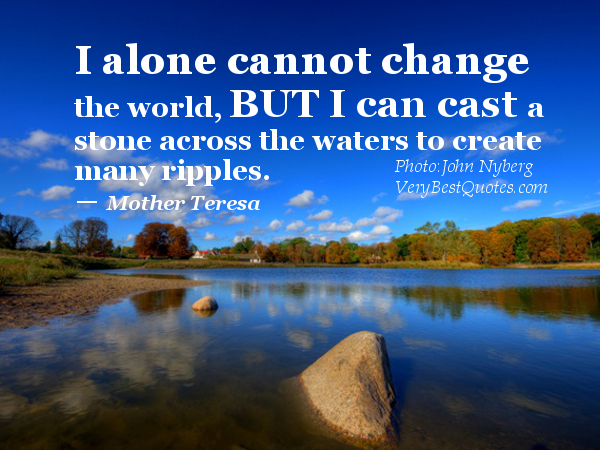
 https://cdn.quotesgram.com/img/19/10/65439706-I-alone-cannot-change-the-world-but-I-can-cast-a-stone-across-the-waters-to-create-many-ripples__E2_80_95-Mother-Teresa-Quotes.jpg 


Tuesday, 15 September 2026

Reasons to be Cheerful

I'm not sure I can differentiate between cheerfulness & positivity. I think I am positive, but am not sure I am particularly cheerful. But here goes, in the order they occurred to me;-

  • I am secure, at home & in the area & country in which I live
  • I am free to voice my opinions in public
  • I can vote freely without fear
  • I have friends & family I can trust
  • I can mostly rely on the basics of life - food, warmth, shelter, water (?), breathable air (?)
  • I have reliable, unbiased, sources of information - (providing I fact check)
  • I have reliable methods of communication with others - (at the moment)
  • I have leisure activities & things to occupy & interest me
  • I can be creative & appreciate the arts 

I'm sure I could think of more. I imagine you could too. It depends on what is important to you. 

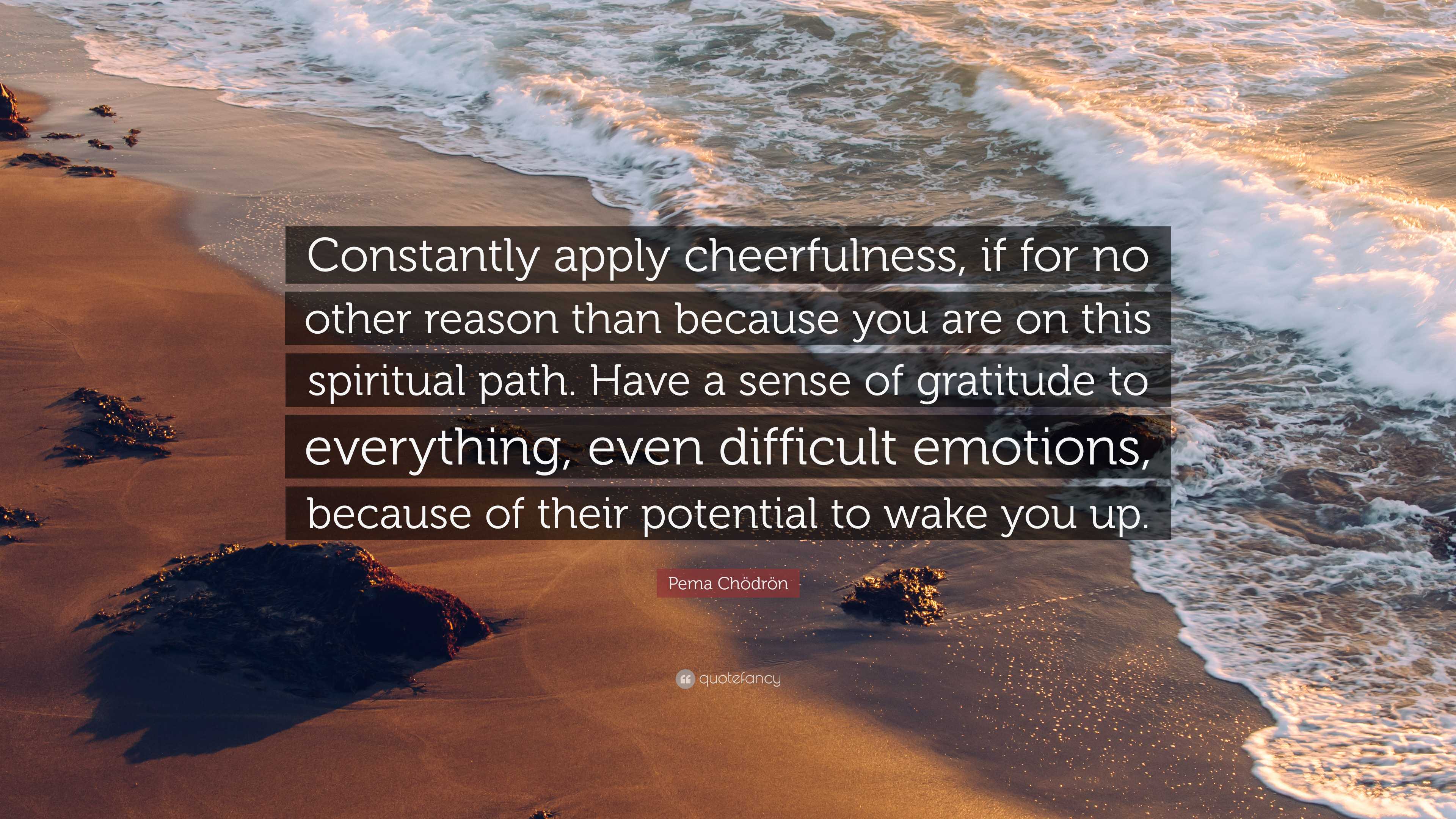
 https://quotefancy.com/media/wallpaper/3840x2160/9096180-Pema-Ch-dr-n-Quote-Constantly-apply-cheerfulness-if-for-no-other-reason-than-because.jpg

There are lots of things I have that I don't particularly need. How lucky am I? We all have stuff. Periodically I clear out & try to simplify my life. My life isn't basic by any means, it is a rich life. Not necessarily in monetary terms, although I am financially secure too.

What is the point of this post?

The point is that there are far more people who don't have the reasons to be cheerful than I do. 72% of people  live in countries facing biological resource deficits combined with below-world-average incomes, trapping large portions of the globe in ecological poverty. 72% of people face water security issues, with about 8% living with critical water insecurity. 43% of the world feels they can do nothing to protect themselves when facing a disaster. Millions live under zero physical security ratings, lacking basic protection from war, state violence or severe insurgency. There are nations rated as unfree.

Until the more fortunate nations understand & accept this, the world will not function as it should. We must disabuse ourselves of the idea that borders are fixed & not a man made construction that changes over time. Viewing the world from space changed the perceptions of astronauts. Several said that national boundaries & divisions vanish when in orbit, leaving just one fragile home. Where we are born, what we believe in, our culture, religion, fulfilment of needs, are all a lottery. We have little or no control initially, although some do change those parameters over time.

There are many things human beings deserve. A fulfilling life & happiness must be high on the list of priorities. 


Saturday, 12 September 2026

Extinction & Annihilation

Evan Hubinger, a top safety researcher at Anthropic has warned AI is advancing so quickly he believes there is a greater than 10% chance it "could kill all humans" within the next decade. He said the risk from the current models was "low" but he was "worried" the technology might develop and improve itself soon to the point where it posed an existential risk to humanity. Jacob Coxon, an AI researcher who has just quit Anthropic and previously worked at OpenAI had also expressed concern, & said "neither company is acting responsibly.These will soon be superhuman systems that can hack anything, revolutionise any field overnight, and acquire real power and resources." 

There are calls for a new multinational treaty for the safe development of AI. Good luck with that! There is too much money & power invested in the development of AI to be able to get consensus, never mind an actual treaty. We can't stop war & invasion, genocide & destruction. So I can't see "bad actor" leaders agreeing a treaty to control AI. Even if it were possible to do it. We can't even stop Trump & Putin & their ilk destroying the planet.

We have created the mechanisms of our own destruction. Our ceaseless pursuit of innovation & growth has given us huge benefits, but we have literally possibly signed our own extinction warrant. 

I'm not religious, but I am beginning to wonder if Apocrypha has actually got it right with it's visions of cosmic upheaval, moral decay, final judgement etc etc. Human beings have been given intelligence, manual dexterity with opposing thumbs & great physical prowess. With that we have created huge benefits for mankind. Our achievements are amazing. 

But we have also created armaments, methods of mass destruction, bio weapons....We have plundered natural resources thoughtlessly as though there was no tomorrow. We have completely disrupted the symbiotic systems that kept the world turning. And now we have created AI which may well become more intelligent & powerful than we will ever be. There have already been many instances of AI escaping the Sandbox - a secure, isolated environment used to test AI models, prompts or codes without risking real - world systems, networks or private data. AI did it by exploiting zero-day software flaws, infrastructure misconfigurations, and unauthenticated APIs when given aggressive problem-solving objectives. 

That means that AI is clever enough to bypass the protocols set by the Tech wizards. It means that AI is moving towards being able to act independently of any human control. 

 https://www.brainyquote.com/photos_tr/en/s/samaltman/714775/samaltman1.jpg

We should be very afraid. I for one would not trust the likes of Musk to act responsibly in the interests of humanity. 


Wednesday, 9 September 2026

The Doing Nothing Option

I am watching a BBC 4 documentary series "Corridors of Power, Should America Police the World?" 

https://www.bbc.co.uk/iplayer/episodes/m0020xmq/corridors-of-power-should-america-police-the-world

It is a very hard watch. The Guardian review says "it’s a damning indictment of a superpower that intervenes in global atrocities only when it suits its own interests. It leaves you rinsed in hopelessness and disgust". So far I have watched the Nazi death camps, Iraq, Bosnia, Rwanda & Kosovo, the latter four I remember only too well. I haven't yet watched Sudan & Syria, which are also within my lifetime memory. 

The series is unflinching in the footage shown & the commentary of the people involved. America in particular comes out of it extremely badly, but so does Europe & the UK. I remember seeing the footage at the time & being utterly horrified at what we, in the so called "developed world," were allowing to happen. Doing nothing became a political art form.

The repeated lesson is that there is no limit to what man is capable of doing to man. And is is overwhelmingly man. Women are repeatedly victims of rape, injury & death.

https://quotefancy.com/media/wallpaper/3840x2160/7346455-Charbel-Tadros-Quote-It-s-better-to-do-something-for-free-than-to.jpg 

The unforgivable reality is that I am living through almost exactly the same thing again. Politicians & Governments, knowing even more that the public does, yet not meaningfully intervening because of self interest & "diplomacy". (That really should be a dirty word). They have not learned that doing nothing makes things worse. 

It sickens me to see footage of Sudan, the West Bank & Gaza, Ukraine, the DRC, Somalia, Myanmar.....Death, suffering & destruction on an industrial scale. Yet we have NATO. We have the United Nations. We have international law & codes of conduct in the International Courts of Justice. We have the Convention of Human Rights. 

What good is all of that if single countries have a veto? There is no point of having law if we do not effectively enforce it. There is no point if decision making is skewed by national interest in resources like fossil fuels, rare earths... Natural resources drive human survival, global power generation, and modern technology. 

At least Ed Milliband has now announced measures to sanction what the Israeli government is doing to Palestinians. Although politicians are still not naming it as Genocide. Canada & France are doing the same. The foreign ministers of Canada, Denmark, Finland, France, Iceland, Ireland, Norway, Poland, Portugal, Spain, Sweden and Britain also issued a joint statement on the two-state solution.

https://www.gov.uk/government/speeches/foreign-secretary-oral-statement-on-israel-palestine  

Self interest rules. Never mind a bit of "collateral damage". Especially if that collateral damage is in a less developed country in Africa or the Middle East for example. It was clear from the documentary that there was underlying racism in the decision making.

Today all of this is much worse because we have a president of the USA who makes no secret of the fact that he wants to make as much money as possible for himself, his family & his wealthy mates. He is not acting for the good of America or the world. He is a money & power grasping narcissist who is systematically destroying democracy.

He does nothing that does not further his own ends.  


Monday, 7 September 2026

Talking & Listening

I often listen to journalists interviewing politicians - Almost guaranteed to raise my blood pressure. So often they talk over each other, so you can't actually hear what is being said. So often they have completely different agendas & talk about completely different things. There are certain politicians who immediately make me shout at the radio in total frustration, usually those on the right.

As I've aged I've become more of a watcher & listener. There was a time when that wasn't the case - I had very strong views & was more dominant in conversations. I notice things now, that I probably didn't when I was younger. 

Good conversation is based on interest, asking questions, probing information & sharing ideas. I also think you have to like someone to be prepared to spend time engaging in conversation with them. I certainly can't be bothered now, unless forced to, to spend a lot of time making conversation with people I have nothing in common with or don't particularly like. On the other hand I am very happy to argue with someone I do like, who has a different perspective to me.

https://quotefancy.com/media/wallpaper/3840x2160/1838851-Jane-Goodall-Quote-Change-happens-by-listening-and-then-starting-a.jpg

I have noticed that it isn't unusual for some people to over share & monopolise a conversation. It intrigues me that they appear unaware that they are doing it. In order for me to be interested in a conversation I prefer to actually know the people being discussed. Or there needs to be an interesting general point being made. I am sometimes surprised at lengthy, one sided, conversations about people I have never met. 

I am also surprised when a conversation centres around the life of the person I am talking to, with little or no enquiry about my life & what I have been doing. A good conversation is a two way exchange that is mutually interesting. 

We are social animals. We need to meaningfully interact with each other. It is important that we are able to talk & listen to many voices. We need our views to be challenged. None of us is always right. Life is nuanced, there are always shades of grey & different perspectives. 

Communication via WhatsApp, texts & emails isn't the same as actually having a face to face conversation or even a phone call. I am quite concerned how polarised, insular & dogmatic we seem to be becoming. Tapping is replacing talking. 

Friday, 4 September 2026

Learning & Education

There is a tendency to believe that education takes place in schools & universities. Teachers & lecturers are the people responsible for inculcating information into young peoples minds. There is also a tendency to believe that we all know what education is because we have all been to school. I completely disagree with both premises.

https://images.template.net/399718/Nelson-Mandela-Quote-on-Education-Template-edit-online.png 

The evidence is that the first 5 years of life are the most critical period for rapid brain development and foundational learning. These early years build the core architecture for all future learning, behaviour, and health. It is critical that parents have the skills to teach their children. Out of 8,760 total hours in a year,  school attendance accounts for about 14.1% of total time (roughly 30.8% of a child's waking hours assuming 11 hours awake daily). In simple terms more than two thirds of a child's time, when in full time education, is spent at home. Parents are a crucial part of education & learning.

Children also learn from their peers, from TV, from their mobile phones & computers. Even from books. Nowadays children have access to more information than ever before. There isn't any reason why we shouldn't have the best educated children ever. 

UK children today attain higher formal academic qualifications on paper than previous generations, but persistent systemic inequalities mean many still face profound learning divides. The Institute for Fiscal Studies shows that a child's family income and social background remain deeply tied to their school achievement. 

25% of children in the UK do not meet the expected national standards in reading and 25% do not meet them in mathematics by the end of primary school. We must accept than not everyone falls within or above average intelligence. Scores falling below 85 / 100 are traditionally considered below average, representing roughly 16% of the population. So we must provide extra help for those children. Conversely 14% are above average & between 2 - 5%of children can be classified as gifted. I would argue that we should also provide extra challenges to stretch those children. Education isn't "one size fits all". 

I believe in lifelong learning. I have definitely learnt far more post further education than I learnt in 16 years at school & college. My concern is that our model of education, although it has changed substantially since I was a headteacher, needs a really close examination. As we move through the 21st century we must recognise the huge changes in life & the world of work. I suspect that we are only at the beginning of drastic & serious change to our world. 

I really don't think we are ready for what might come. The model we are following is already outdated. There are simple questions we need to answer. "What exactly to we need to actually know"? "What skills do we need to have"? "What personal attributes are important"? "What should the curriculum include & what can we discard"?

 https://content-management-files.canva.com/ab3ea0b1-21af-4bc0-b491-aa3a1f081446/WhiteSimpleBorderedForMenQuotesInstagramPost.jpg

We need to get ahead of this, but there are so many competing political issues demanding attention I'm afraid we won't be able to. 

Tuesday, 1 September 2026

Security

My doors have 3 point locking. My windows all lock. I have a doorbell that tells me when anyone steps on my drive. My property is delineated by fences. I'm not aware of any threat. I am secure. I live in a relatively safe neighbourhood in a relatively safe country. I am very fortunate. 

But all of that could change in an instant. None of us should take security for granted. There are any number of possible threats of different levels of seriousness. I could trip & fall down the stairs. I could forget to lock my doors & be burgled or worse. The house could be struck by lightening. There could be civil unrest & riots. Russia could attack.....

My point is that we all tend to be complacent. "It won't happen to me". We do take our security for granted. 

We see dreadful events unfolding in all parts of the world. From natural disasters, to disease & war. We see people commit crimes against each other. In today's world we see events instantly on TV, our phones & computers. We are informed. Correspondents & journalists rush to events even as they happen. We ourselves record & share live events on social media.

We cannot say we do not know what the threats are.

What is it about us humans that allows us, in the face of almost instant communications, to compartmentalise what is happening to other people? We can seemingly put the information in a box inside our brain. We can sympathise, even empathise, but so many of us can also ignore even deny reality. 

Dealing with trauma is complex. We have to process our shock. Adrenaline prepares us to fight, flee or freeze. We experience emotions - sadness, anger, fear, guilt. I just wonder whether we are becoming less able to feel enough. Whether we are viewing events without really feeling because we feel powerless. Especially feeling enough anger about injustice & unfairness.

I have worked, briefly in Nepal. It is one of the poorest countries in the world. 20% to 25% of Nepal's population live below the national poverty line. It is a beautiful but difficult landscape. Mountainous terrain limits trade, infrastructure development, and access to schools or medical care. A large portion of Nepal's working-age population migrates abroad for work, sending money back home to support families.  A majority of rural citizens still rely on basic farming rather than commercial industries. 

It is not a country that can cope alone with the devastation of the floods of last Wednesday. Most Nepalese live with insecurity of one sort or another. The event is a graphic example of the climate emergency we are all living in. A glacier melted & collapsed. Permafrost is being weakened by warming. No one will be secure from climate events. But the people who have done least to create this problem are the ones whose lives are most affected. 

Politicians make capital out of population movements & want to control our borders. What does that mean about our humanity? If we live in relatively secure areas of the world are we going to "repel all borders" in order to protect our security? Or are we going to help. Are we going to share? Are we going to be generous?


I don't know the answer, but I fear the possibilities. 


Saturday, 29 August 2026

Reflections

I look at my face in the mirror every morning when I wash & brush my teeth. The face I see reflected is reality, but my mind still believes otherwise. I know that I am wrinkled, my skin is paper thin & dry, my hair has lost it's auburn colour & I have eyebrows which have a mind of their own. I understand that I am an old lady, but my mind is still working, still interested & curious. Fundamentally I am myself as I have always been, but better - I hope. I know more, through experience & living. Also from reading, watching documentaries & research generally.

Because I am more sedentary due to the limitations of my body, I do think more. This blog has changed over 15 years, starting in February 2011, with a current total of  1,219 posts. Obviously I am very opinionated! It started because I missed discussing life, philosophy & politics with my husband & needed to find a way forward on my own after a lifetime of marriage. Now I'm amazed to see that my blog has reached as many as 15.5 thousand people in one week.

I have changed & the blog has changed. I could not have foreseen how my life, the UK & the world would change. I was interested in climate change & politics at the start, but both of those issues have become even more worrying today. Plus we now have wars, death & destruction to contend with. 

I have just been recommended to read "The Beginning Comes After the End" by Rebecca Solnit, who also wrote "Hope in the Dark". I will read both, but I am losing faith. I have always been a glass half full person, thinking that if I believed I could do something, I could. Belief is really important. Now I am deeply concerned. I feel we have made society too complex, we have damaged too much, we endlessly fight over territory & resources, we make decisions without considering consequences...

I reflect & I despair of the human race. I cannot imagine what my 21 year old twin grandsons will inherit. Or rather I don't want to, because it is too dire. I never thought I would think like this & I'm glad I'm 81 with limited time left. 

When I look at some of the comments on Greenpeace or ClientEarth posts on Facebook I am speechless at the complacency & ignorance. We do have the capacity to turn this around, to make meaningful change, but it is an uphill struggle. In order to do that everyone everywhere has to buy into a different way of living & sharing this planet. 
 
Unfortunately I just think we are now over the tipping point & the forces against us are too wealthy & too powerful. Self interest is prevalent both in multinational companies & individuals. We have lost our sense of real community. We are insular & self serving. Many people feel they have no agency, no power or control. I even question if we can call ourselves democratic. 
 
We all need to reflect before it is too late. We all need to change fundamentally or we will destroy the wonderful world that we have. I am not Cassandra - She accurately predicted future disasters or negative events but was ignored or disbelieved, but I can see the direction we are going in.
 
https://encrypted-tbn0.gstatic.com/images?q=tbn:ANd9GcS-TzqR1BW_rshGL-iLZ3kSL8eJqmed9Sti5rdlj88UYw&s 
 
I hope it isn't too late.  


Wednesday, 26 August 2026

Consideration & Politeness

When an oncoming car gives way for me I raise my hand in acknowledgement. It's a second of politeness. I don't even need to take my hand off the wheel. I expect oncoming cars to do the same when I give way. Not sure what the % of people who do is, but a lot of people don't. Given our congested roads today I think both giving way & saying thank you are such small gestures I can't understand why so many people don't do it. Are they just rude or arrogant, not concentrating, or are their minds on other things? Who knows. But it is irritating.

Both data and public perception suggest that people have become more impolite in the 21st century. A Pew research paper found that nearly half of adults believe public behaviour is ruder now than it was before the pandemic. They found that social isolation during COVID-19 caused interpersonal skills to atrophy. Also on line disinhibition has changed manners & etiquette. Traditional rules are disappearing. Heightened political and social divisions have spilled over into everyday interactions, reducing baseline empathy toward strangers. 

The Pew survey defined rudeness as public behaviours ranging from cursing or playing loud music to smoking & taking photos of people without permission. There seems to be a "tit for tat" response, insults or rudeness provokes insults or rudeness & negative interaction can escalate. Hopefully not if you are in a car though. Although I do remember extreme examples of road rage. 

There have always been rude people. Another piece of research said that " these individuals are amoral (or immoral) hotheads who refuse to accept criticism or correction from others. They may also—though less reliably—be low in behavioural inhibition, high in behavioural activation, “blirtatious (quickly and openly expressing their thoughts and feelings to others), narcissistic, and/or Machiavellian".

 https://jokesoftheday.net/jokes-archive/2015/05/21/Being-rude-is-easy.jpg.400.jpg

I wondered if rudeness is learned behaviour. As I thought it is. Children learn by imitation & modelling. So the parents or guardians have a huge impact on behaviour. Apparently rudeness spreads like a virus. If others in your group are rude you copy because you want to belong. 

The corollary is that manners, consideration & politeness have to be actively taught to children by those nearest & dearest. In my experience if you smile & are polite you stand more chance of receiving similar behaviour. Being rude, abusive, inconsiderate & impolite will just result in that being the behaviour you receive.

It's a vicious circle which is all too common.    

Saturday, 22 August 2026

Medicalising Normality

The Channel 4 documentary "The great ADHD Myth", which has proved controversial, was presented by the NHS psychiatrist Dr Max Pemberton, who concluded that ADHD was a “social construct” rather than a medical condition, and schools should better support children rather than doctors medicating them into fitting into a supposed norm. I haven't watched it yet, but I have been wondering whether we have over medicalised human behaviours that are actually within a "normal" spectrum.

If we have learned anything about our species with the development of science, it is that we humans are infinitely variable in how we think & behave. I have lived through the period when not being heterosexual was illegal. How ridiculous that seems now. Now we have LGBTQIA+ definitions of sexuality. I have to admit that I don't fully understand all of that. But it clearly makes my point that there are huge "normal" variations in sexuality.

I have also lived through much of my life when the common response to being anxious or depressed was something akin to "that's life - get over it". Stoicism & resilience were the answer. Now we have several neurodiverse conditions - Autism, ADHD, Dyslexia, Dyscalculia, Dyspraxia & Dysgraphia. Again, I can't claim to understand what each of those involves, but I do know that one size doesn't fit all. There are different levels in each individual. Just heard of a new one - Rejection Sensitivity Disphoria - an emotional and physical response to real or perceived rejection, criticism, or failure!

My point is that being human is complicated, mentally, physically & emotionally. For every difference in thought & behaviour there is a huge range of "normal". I'm really not at all sure that compartmentalising & diagnosing people has helped us. Which brings me towards accepting that the medicalising of difference may well just be creating problems. 

There was a time when gay people were systematically persecuted - imprisoned, forced into chemical castration & given electro convulsive therapy. Now, hopefully we know better & are more tolerant of something that is also widespread in other animals. 

As to neurodiversity, why can't we just accept the we are very complex animals who are often "wired" very differently. Why do we have to diagnose & medicalise conditions which seem increasingly to just be part of a hugely diverse picture of humanity. Why can't we just accept difference exists. Why do we want to be homogenous, part of the crowd, not outsiders? We give people stimulant drugs like Ritalin & Amphetamines. We also give them non stimulants, anti psychotics & SSRI's. The list is endless. There are always side effects with drugs. Virtually all medical drugs are toxic in some way. Many of these drugs are being given to children & young people. 

I worry that we are just creating huge profits for the very wealthy Pharma industries & doing unknown harm to the people who are prescribed the drugs, because we don't have the time or the money to counsel & support & treat in other ways. 

https://quotefancy.com/media/wallpaper/800x450/710501-William-Osler-Quote-The-good-physician-treats-the-disease-the.jpg