My doors have 3 point locking. My windows all lock. I have a doorbell that tells me when anyone steps on my drive. My property is delineated by fences. I'm not aware of any threat. I am secure. I live in a relatively safe neighbourhood in a relatively safe country. I am very fortunate.
But all of that could change in an instant. None of us should take security for granted. There are any number of possible threats of different levels of seriousness. I could trip & fall down the stairs. I could forget to lock my doors & be burgled or worse. The house could be struck by lightening. There could be civil unrest & riots. Russia could attack.....
My point is that we all tend to be complacent. "It won't happen to me". We do take our security for granted.
We see dreadful events unfolding in all parts of the world. From natural disasters, to disease & war. We see people commit crimes against each other. In today's world we see events instantly on TV, our phones & computers. We are informed. Correspondents & journalists rush to events even as they happen. We ourselves record & share live events on social media.
We cannot say we do not know what the threats are.
What is it about us humans that allows us, in the face of almost instant communications, to compartmentalise what is happening to other people? We can seemingly put the information in a box inside our brain. We can sympathise, even empathise, but so many of us can also ignore even deny reality.
Dealing with trauma is complex. We have to process our shock. Adrenaline prepares us to fight, flee or freeze. We experience emotions - sadness, anger, fear, guilt. I just wonder whether we are becoming less able to feel enough. Whether we are viewing events without really feeling because we feel powerless. Especially feeling enough anger about injustice & unfairness.
I have worked, briefly in Nepal. It is one of the poorest countries in the world. 20% to 25% of Nepal's population live below the national poverty line. It is a beautiful but difficult landscape. Mountainous terrain limits trade, infrastructure development, and access to schools or medical care. A large portion of Nepal's working-age population migrates abroad for work, sending money back home to support families. A majority of rural citizens still rely on basic farming rather than commercial industries.
It is not a country that can cope alone with the devastation of the floods of last Wednesday. Most Nepalese live with insecurity of one sort or another. The event is a graphic example of the climate emergency we are all living in. A glacier melted & collapsed. Permafrost is being weakened by warming. No one will be secure from climate events. But the people who have done least to create this problem are the ones whose lives are most affected.
Politicians make capital out of population movements & want to control our borders. What does that mean about our humanity? If we live in relatively secure areas of the world are we going to "repel all borders" in order to protect our security? Or are we going to help. Are we going to share? Are we going to be generous?
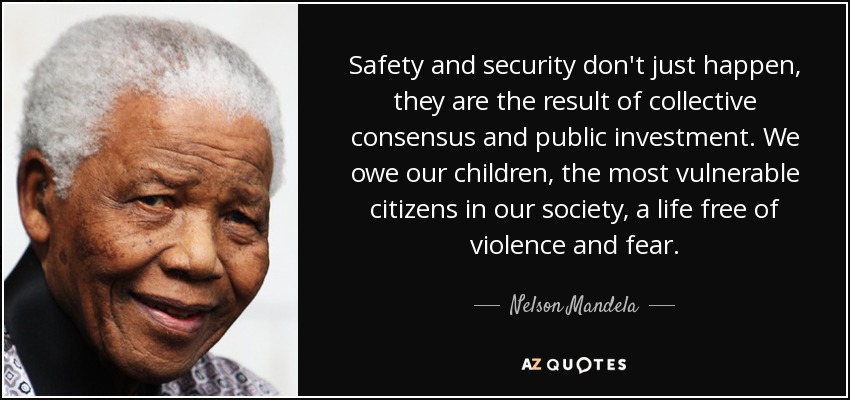
I don't know the answer, but I fear the possibilities.

