To an extent regret is pointless. You can only regret something you have or haven't done or said. It's the past, regret can't change it. But you can apologise. You can try to put things right. You can acknowledge that you have made a mistake or caused hurt or real harm.
I can think of many things that I regret over my 80 years. I'm fallible, I make mistakes. Some I'm not prepared to mention here. I do think I could have been less judgemental at times. I could have been less volatile, less emotional. I think I did my best as a parent, but I could undoubtedly have done better by today's safeguarding standards. I certainly think I could have tried to understand my parents better & been a less difficult teenager. On the whole I hope I was fairly average, but there are sins due to thoughtlessness, being headstrong & convinced I was right. I was, & am still very intolerant of unfairness. I always wanted to reform people or organisations I thought didn't operate fairly or effectively.
Hopefully I haven't done anyone any real harm.
What I find difficult to understand is why many people today are incapable of expressing regret, can't admit they are wrong, don't take responsibility for mistakes. It applies to politicians for example, very few resign when they probably should. The NHS seems much more willing to try to cover up mistakes until they are forced to admit them by public inquiries. Maternity services have had 3 major inquiries - Ockenden, Kirkup & Morecambe Bay, plus 2 Systematic reviews. How many does it need for something to actually be done to put things right?
There are 5 ongoing UK Public Inquiries this year covering healthcare & security. UK public inquiries usually last 2 - 5 years. Major ones can last 5 -13 years. The average cost of a UK public inquiry is £17.4 million. It can be more. The taxpayer spends over £200 million per annum on active inquiries & the figure is increasing.
Why? Well Inquiries are heavily adversarial and run by top-tier lawyers, barristers, and judges whose hourly rates dominate the budget. They must be the only people who benefit. Also data & administration costs are massive. Sifting through hundreds of thousands of WhatsApp messages, emails, and physical corporate documents requires expensive digital forensic infrastructure. It all takes time & add to the huge cost.
I'm not saying we shouldn't find out what has gone wrong. I am saying that all of this money could be better spent if we had a culture of admitting mistakes & trying to put things right. But we have followed the American model of litigation, so people are afraid of being sued if they do something wrong. Personal liability means that individuals & whole departments cover up.
I'm really tired of hearing that "we must make sure this never happens again". It doesn't work. History repeats itself over & over again. We have to accept that things do go wrong. The important thing is to improve & put in more safeguards each time they do.
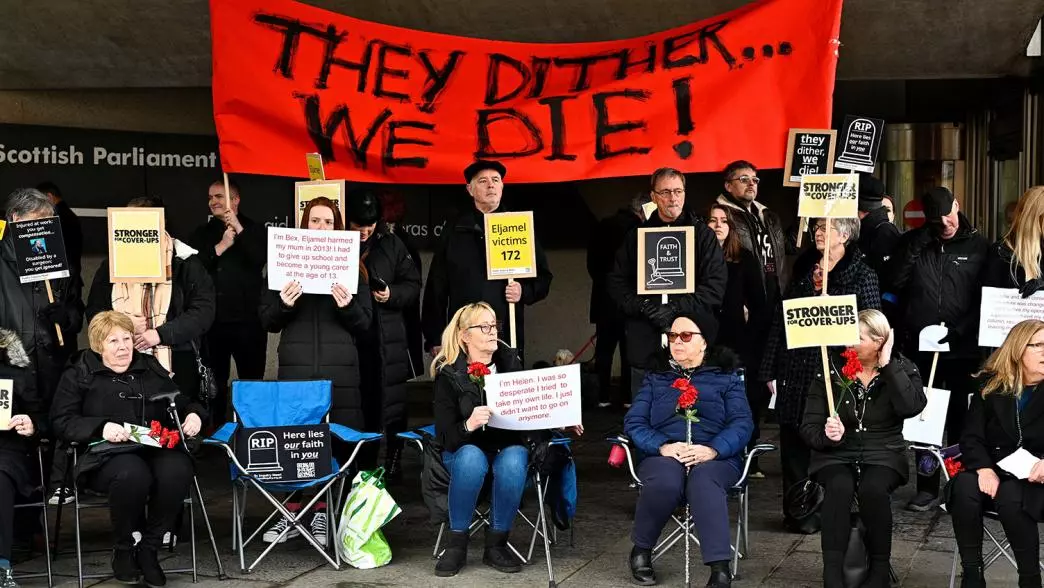
Public Inquiries are thought to be no longer fit for purpose. So we need to find a better way, because the public feel that they can only get at the truth through an Inquiry & the truth matters. To everyone.