Search This Blog

Showing posts with label Health. Show all posts

Tuesday, 4 August 2026

Waiting Lists

When I was young I was very impatient. I was a person of lists & priorities. I was very organised & believed that I could do things better than anyone else. How self confident, how arrogant. But it did get me to the top of my profession. I wasn't good at waiting though, even in supermarket queues. I made decisions & took action quickly. So I imagine some things could have been done better & mistakes were made. 

Now I am much more patient & tolerant. I have learned not to expect things to be done yesterday. Just as well because that isn't how today's society works. I seem to spend a disproportionate amount of time waiting for people to rectify their mistakes. Mistakes that frequently should not have happened in the first place. I could give you a list, but it would be very boring. But I resent the amount of my time it takes & I still naively have expectations that people will do their job properly.

The whole concept of a "waiting list" in healthcare seems to me to be unacceptable. Yes I know that the NHS need ever increasing amounts of money to meet today's needs. I also know that we need more medics & more hospital beds. Health & social care are inextricably linked so we need to sort that out too. However those problems have not appeared overnight. They are the result of decades of mismanagement, lack of effective communication & sharing of good practice, a hierarchy of fiefdoms that don't look at the patient holistically.....It's a behemoth & won't be sorted anytime soon. Especially as we are effectively bankrupt & there hasn't been the political will.

A waiting list sounds innocuous, but it isn't. A waiting list means patients trying to live with ill health, pain, fatigue & disability at home. It means patients gradually getting worse even past the point of recovery. It means family, friends even neighbours trying to care for someone who need professional care. Some will die.
 https://t4.ftcdn.net/jpg/06/93/52/51/360_F_693525193_s9u7R65Kq0a195U1dMCRLCexeFVfz2d3.jpg

Two personal examples, fortunately not life threatening. 

Last year I tore a tendon in my right hand. (I am right handed & live alone). It was excruciatingly painful. I couldn't move it or do anything with it & was terrified someone would bump into me. I was referred urgently to the "hand clinic". By the time the appointment finally came, months later, this year, my hand had recovered on it's own. I was told that "hand clinics" are the busiest orthopaedic clinics & routinely have very long wait lists. 

This year I have had bilateral Trochanteric Bursitis in my hips. The flare up of pain, fatigue & disability at it's acute worst meant I crawled upstairs on hands & feet, could not walk the 5 -10 minutes to my local shopping centre, could not stand for any length of time to prepare food & couldn't sit down & get up from a chair or turn over in bed without real pain. At it's mildest I am still very limited but it's bearable. Although the consultant put me on a cancellation list for ultrasound guided steroid injections into both hips, I know there is a 6 - 8 months waiting list.

I'm not going to die from any of this. I'm resilient & I can cope. My point is that although I am not in the worst waiting list situation, I do think this is unacceptable. And it is largely hidden. Because people on waiting lists have no choice, but to cope. 

Unless they can pay & that is against my principles. 

Wednesday, 29 April 2026

Therapy

I swim 3 or 4 times a week. Even if I feel rubbish I still go because I know that when I've swum I will feel better in both mind & body. Half an hour, 26 x 25m lengths of back crawl, and I'm physically freer & mentally relaxed. 

We all have to find ways to deal with 21st century life. Many of us have to find ways to deal with physical or mental issues. Having tried both conventional medicine & many alternative therapies for pain & fatigue, I do know what works for me & what doesn't. Having also had thankfully few periods of quite severe depression, I also know how that feels & what to do & what not to do. 

For example I am a great believer in osteopathy & chiropractic. I feel that practitioners know far more about the skeleton & muscles than GP's. That is not to denigrate GP's, they are what the name implies - general practitioners. Their job is to signpost where patients go next & hopefully give some relief. I also believe in accupuncture, good nutrition & the right exercise. Distraction technique & pacing works for me as well.

I feel that we all need to be aware of our bodies & take responsibility for our own health. Some things are very difficult, if not impossible to cure. So you do have to learn to live with some things. You also have to accept that you will die. That isn't being dismissive, it's being realistic. Sometimes our expectations of what the NHS can & should do are unrealistic. It isn't a cure all for everything. Sometimes life is just a bitch. 

I feel that we all need to be more pro active about our health. We should know if anything we are doing or not doing is contributing to illness. The information is out there, we just have to access it. We need to take responsibility for ourselves & not expect the "state" to solve our problems. There are limitations to what can & should be done for us. We need to be prepared to make changes to our habits if they are harming us. That really isn't easy. I doubt I will ever grow to love the Gym.

I think there needs to be a clearly understood contract between individuals & medics. Also between the NHS & the State. We all need to know what is possible & what is not & who is responsible for providing or not providing it. Our expectations are sometimes simply not realistic. Unless we are all prepared to pay more for the NHS it will continue to fall short of our expectations. 

As of December 2024, the NHS in England employed approximately 1.5 million staff. It is the largest employer in the country. As of July 2025, there were 6,229 open and active GP practices in England. As of early 2024, there were over 700 hospitals operating, (excuse the pun), in England. Complementary and alternative medicine (CAM) professions are not subject to mandatory state regulation, so it is difficult to pinpoint an exact number of alternative therapists in England. The NHS generally recommends only evidence-based complementary therapies such as acupuncture for chronic pain (headaches, migraines, back pain), and manual therapies like chiropractic or osteopathy.ou can get free, confidential therapy on the NHS, primarily for anxiety and depression, through NHS Talking Therapies (formerly IAPT). Options include Cognitive Behavioral Therapy (CBT), counselling, and guided self-help for those aged 18+ registered with a GP. But there are long waiting lists. 

 CDN media

We seem to be a sick society. Approximately 2.8 million working-age people in the UK are economically inactive due to long-term sickness. Everyone needs to feel that they are valued & contributing. Everyone needs the social benefits of working with colleagues. Being isolated & without purpose is not good for us. The NHS is struggling to cope & is a political football. We all need to look after our own health. 


Saturday, 11 April 2026

Strikes or Work to Rule?

I am struggling to find any reason to understand or support the UK resident doctors strike. Presumably everyone could argue that their pay had gone down in real terms since 2008 /9. To be clear, that's 18 years.

It's been a period of financial disasters. The Global Financial Crisis of 2007/8, the Great Recession of 2008/10, Brexit 2020, Covid 2020/21, the Cost of Living crisis 2022......Why should the doctors feel that they have a better case for pay increase than anyone else?

I appreciate the work all medics do. But there are a lot of people in caring professions I also appreciate, teachers, carers, nurses, social workers, all first responders....I would argue that all of these are vocations. All of them should seriously consider the impact of their strike action on other people, or they may well be held to be simply completely self interested. That is not what we expect from caring professions. I can see a justification for working to rule, because all of these professions only work effectively because of good will. But 15 strikes in 3 years. That is an appalling record & nothing to be proud of. 

It is important that any workers have the right to air grievances & negotiate pay & working conditions. I do think that unions & professional organisations have an important role to play in protecting their members. Individuals have very little power, but acting together empowers all. That right is important, but should not directly endanger the health or life of others. There should be effective alternatives such as negotiation, mediation & arbitration, entered into in good faith by both sides.

The mechanism should not be mechanised & turned into war. 

There has to be realism on both sides. It seems to me that not just the UK, but the whole of Europe is in a dire financial situation. There is widespread instability & disaffection with politics & politicians. Everyone's infrastructure is creaking under the load of population growth & change. Managing an economy must be a poisoned chalice in the face of international wars affecting everything. There will be very difficult choices as to where the money we have goes. It's mostly borrowed money anyway. We no longer have big gold reserves or a booming economy.

We will all have to face up to that. The resident doctors are ignoring the reality of the situation we are all in. It is blindly selfish & unaffordable to ask for a 26% pay rise. 

https://encrypted-tbn0.gstatic.com/images?q=tbn:ANd9GcRfFyEgvHAb77WmKZD18_WAYvjIa2XSdMaxfw&s  

Saturday, 14 March 2026

Trauma & Pain

At some point in our lives we will all experience trauma & pain - Both physical & emotional. Some more than others. I once had to write down all the trauma I have experienced in 81 years It covered both sides of a sheet of A4 - typed! Weirdly I had to keep going back to it & adding things I had missed. Some were surprisingly important, but I hadn't initially remembered them. I later wondered if my brain had put them in a box & hidden them away.

We are shaped by experience. At some point we learn that bad things happen. Initially we may well feel that we cannot cope & be utterly devastated. But eventually the "penny drops" & we understand that trauma can't be avoided, so we have to learn to deal with it. It helps if we are supported by friends & family, but ultimately we have to find the resources within ourselves.

There are millions of people in our world who are dealing with trauma far worse than anything I have faced. People without the basic necessities of life, people living under dreadful repressive regimes, people living with war.....In our relatively safe & comfortable lives sometimes we cannot find it within ourselves to sympathise & empathise enough to not only say we support them, but more importantly take action to aid. 

I watched a Ken Loach film from 2023 - "The Old Oak". I was very moved. It's about a group of Syrian refugees sent to an old mining community in County Durham. The community was devastated by the miners strike & is poor. They didn't know the refugees were coming & were initially hostile & in some cases racist. Both communities were traumatised by life. But gradually the things that were common to both & their innate humanity brought them together. Although it is a sad film, it is very uplifting & has a message we should all hear.

The things we all have in common, whatever our religion or culture, are bigger than the things that divide us. Sadly sometimes we don't seem to be able to see that. We cause eachother trauma & pain because we only see difference. We think our way of doing things & thinking is the only right way. We are deluded. We can be extremely narrow minded & extreme in our views. 

I have reached the point in life where I abhor extremists of any religion or nationality. I see no difference between extreme right wing or left wing politics. I see no difference between extreme Islam & extreme Christianity. We all need to find a middle way rooted in our common humanity. If that means we need to be more tolerant, more willing to share, more willing to distribute wealth & resources more fairly, I'm willing to do that. Farirness is not just an important concept, we need to put it into practice.

https://littleyellowstarteaches.com/wp-content/uploads/2025/05/11-humanity-quotes-for-kids-100-1024x1024.png 

 Are you? Because if you are not the current instability will only get worse. 

Friday, 20 February 2026

Diagnosis & Fear

Humans have the capacity to communicate through spoken language. We also give clues as to how we feel through facial expression & body language. We are unique. We also have the brain capacity to be able to think & understand all of these & more.

What has that to do with Diagnosis? 

I am beginning to think that our need to have a name, a diagnosis of a medical condition, might occasionally not be advantageous. I wonder if it is too simplistic. Obviously if you have a cancer it is important to know what type & hopefully get it early when it is treatable. That must be true of many conditions. In order to treat successfully medics need to know what they are dealing with.

I think I am concerned more about "neurodivergence" & "mental health" issues. I do wonder if we are given a label we live up to that label. If I have a physical diagnosis there is usually strong scientific evidence & symptoms for that diagnosis. Hopefully if the diagnosis is correct the treatment will help, if not cure. 

Empiric evidence - which is based on experience, without precise knowledge of the cause or nature of the disorder is less reliable & is dependent on the skill & experience of the practitioner. We have devised question & answer tests for neurodivergence, but is that reliable? Divergence & difference is actually normal.

I think my point is that human beings are incredibly complex systems which include physiology & psychology. What we are at birth, our genes, can be modified by experiences - Nature & Nurture. The thing that troubles me today is that we have become very risk averse. Parents are more afraid for their children than in my childhood. Children don't have the freedom & life experience that I did & actually my daughter did too. 

We have also become more culturally afraid. I actually think that the public is being kept in a state of permanenet fear by politics worldwide. We are afraid of the international situation, (wars, rogue leaders...), climate change, food, water & energy security, privatised services not working, the list is endless. We are made to feel powerless. Cynically I believe that this is deliberate at some level, so that the powerful can retain that power by convincing us we need them to solve everyhting. 

All of this is perpetuated by the press & media that constantly bombarding us with the current news reason to be afraid. There is endless diagnosis of whatever that is, with "experts" being hauled in to give their views, which are mostly pure speculation. It might happen, but the chances are it won't. How much postitive news do we hear?

I do think my parents generation & my generation were more resiliant. Shit happens, we understood that & we got on with it. We didn't expect or get a diagnosis or a label to put on it. We knew we just had to deal with it. 

Living with fear stops us taking risks, and if you don't go out on the branch, you're never going to get the best fruit. - Sarah Parish 


Tuesday, 17 February 2026

Unintended Consequences

My house was completely re-designed, gutted & refurbished. I am delighted with it. I had an expensive quartz worktop installed in the kitchen. In order to protect it I put a clear plastic tray where I stack the dirty dishes. Over time I discovered a discolouration in the quartz underneath. Not a spillage or stain, something within the very light coloured quartz. Uncleanable. Apparently it's due to UV light from the south facing window. A known issue, but not on the website of the company supplying the quartz & not known to me. A completely unintended consequence. Very annoying.

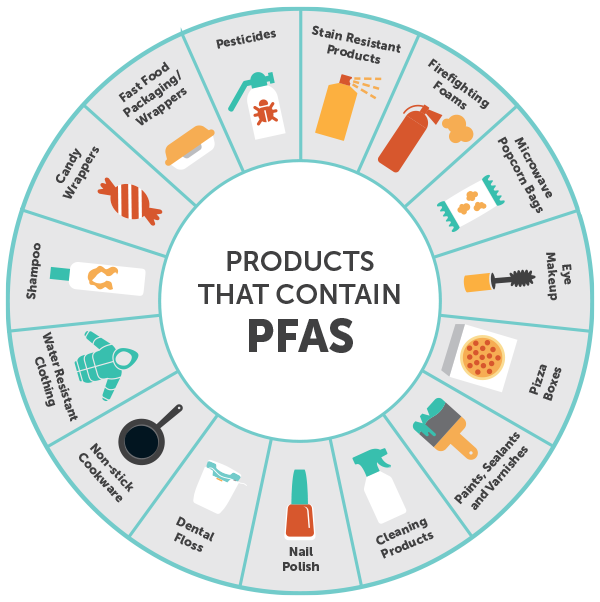
Yesterday, driving home, I listened to "Toxic" on Radio 4. All about "forever chemicals" like PFAS. These have been man made since the 1940's and are grease, water & heat resistant. Really useful, we all thought. Widely used & present in almost everything - non-stick pans, waterproof clothing, food packaging, cosmetics, the list is endless. Also prevalent now in drinking water, the environment & us. They are extremely persistent & bioaccumulate. Unfortunately they are also linked to serious health risks - cancer, immune system disruption, fertility & developmental issues. Who knew that something so useful could be so dangerous? 

There have been three types over the years - PFOA, PFOS & the latest PFAS. There are over 10,000 different types. They all persist in the environment & our bodies for decades. We have only just woken up to the harm of these forever chemicals & governments are finally going to monitor their presence & do something about their use. It's a bit late though. They are already literally everywhere.

What long term effect will the presence of these chemicals have on both the environment & us? How long have people been aware of the dangers posed to everything? Did manufacturers of these chemicals do enough research into side effects? Or were they simply focussed on their profitability? Did they hide the issues, as has happened so many times before? For example as the petrochemical industry & the drug industry did?

Our fixation with growth & profitability. Our fixation with making life easier because we are so busy & are so time poor. Our heedless march into the future & the unknown. Our lack of interrogation of the possibilities, good & bad, attached to change. Our lack of money & incentive to research & do due diligence. All of these are coming home to roost.

It's a perfect storm leading to disastrous unintended consequences. We need to stop & really think. 

https://www.faypwc.com/wp-content/uploads/2023/03/PFAS-Products-Wheel-1.png

Thursday, 8 January 2026

Caring

Do we know how to care for eachother? Is our world envied health service really capable of caring for the sick & disabled?  I ask this while understanding all of the complex parameters of the questions - time, money, people available - skilled & willing, equipment, drugs....

The reason I ask is because I am old enough to remember what the NHS used to provide & what my generation understood to be reponsibility & duty of care. Also because I have just been quite ill for 10 days & had to navigate todays NHS.

However I phrase this it will probably annoy & upset people. But, although I think there have been huge improvements in technology & medication, I think things have changed at a personal level to an unacceptable degree. While I think that medics care, there are limits to what they can do & they have accepted things that shouldn't be accepted in terms of patient care. 

I have had a nasty viral chest infection which turned into bacterial Bronchitis. It started on the 29th December. By the 5th January I had felt really ill for 4 days, was coughing continuously, extremely congested, very breathless, aching all over & exhausted. I went through the online system to try to get an appointment. I am able to do that, many of my age aren't. I got a phone triage from the surgery, although I could barely talk. I was told to come into the surgery.

Really? Is that appropriate. I'm nearly 81 with several chronic conditions including heart failure & a pacemaker. I live alone. Fortunately my lovely daughter, who is a teacher & started term that day, was able to take me. But the triage person thought it was fine for me to get a taxi. I waited for quite a while in the crowded waiting room. I was the only person wearing a mask so that I wouldn't pass the infection on. I saw someone who wasn't a GP, but I don't know what qualifications she had. She prescribed anti biotics.

Not to mince words, a very nasty chest infection, at my age, with my medical conditions needs to be taken seriously. 

So, again fortunately, my daughter was able to take me home, picking up the meds on the way.  I know, only too well how fortunate I am.

Then on the 7th I got up & was coughing up blood. I think I had actually started the day before, but thought it was bacterial phlegm. But on the 7th it was very obvious. I have to say I was worried. I've never had that before. So I phoned the surgery & managed to explain to reception. A doctor phoned me & asked me to come to the surgery again. Quite honestly I was amazed. I told him I felt too ill to do that & he said he would send a paramedic.

The paramedic came about 1pm & did the obs. I have no idea whether he reported back to the GP. I certainly haven't had any follow up from the GP. 

I know that GP's have a big workload. I know there aren't enough of them. But I do wonder if my experience has anything to do with the new contracts they agreed a few years back that made them in charge of the finances & changed their work patterns, especially out of hours duties. The GMC has definitely become more militant & doctors seem to be far more willing to strike, despite the impact on patient care. 

Fortunately I am capable & independent & have family nearby& good friends. But this has been a very difficult time & I am still feeling quite unwell. I accept that many patients have access to information about illness & care. I accept that they need to take reponsibility for their own health & welfare. 

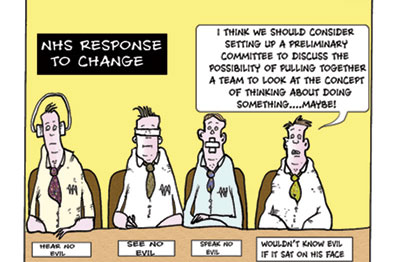
Ben Jennings opinion cartoon 13.01.2023 

But I am left with the feeling that the NHS has had a care bypass. They are tolerating things that should not be tolerated. We all, patients & medics, need to put this right & make the politicians listen.


Tuesday, 30 December 2025

Sex & Sensibility

Apologies to Jane Austin for messing with her title. She is wonderful on relationships.

It is not unusual to be in love or in lust with more than one person in a lifetime of relationships. It is not unusual to have several sexual partners, one night stands, or longer relationships which fail. According to studies, (& I have queries about the veracity some of the information because people lie & brag), 49% of people have had at least one one-night stand. Roughly 25% of people have sex weekly (long term / regular). Roughly 34.5% of young adults are in a relationship. 20% have had sex with someone whose name they didn't know. In a study of young adults (18-25), the average relationship length was nearly two years. Roughly 30% of Brits are sexually inactive, which can include both single people and those in relationships.

Sexual dynamics are nothing if not varied. When you talk about "normal" sex what do you mean? Is it the same as my interpretation or your partners? The term is subjective. Generally I think you are pretty safe with "consensual sexual activity between adults that is pleasurable & not harmful". It very much depends on your libido, your upbringing & your experience. Good communication & consent are vital. The danger is that this is blurred when one or both of the participants are drunk or on drugs. But discussing sexual needs, desires & "no go's" should be the norm. It doesn't need to be a long conversation!

When I was in my teens there was no sex education apart from diagrams in Biology. My mother thought that sex was a dirty word, something you have to tolerate as a woman. She certainly was never able to have a conversation about sex or relationships with me. My father felt it was nothing to do with him. We have moved on, but I still wonder if we are open enough about sex. There are still inhibitions & awkwardness, Brits are perceived to be more reserved about talking about it than Americans. In a 2022 survey 41% of men found it awkward to talk about sex, fantasies and desires with their partner. In the UK sex is generally seen as more casual compared to other countries like the USA. (Presumably because of the religious right wing). The stereotype of men constantly bragging about sexual conquests to their "buddies" exists, but is hopefully less than when I was a student, as we navigate a very different sexual arena 

Sex is a pleasurable activity.  During sex, your body releases a cocktail of "feel-good" hormones and neurotransmitters like Dopamine (pleasure / reward), Oxytocin (bonding / love), Endorphins (euphoria / pain relief) & Seratonin (mood), Prolactin (sleepiness),Adrenaline (energy / arousal). Chocolate is good, but not that good. 

We are more sexually liberated now & that is a good thing as long as our expectations are realistic & caring. Sexual gratification should be a two way street not a one way road. 

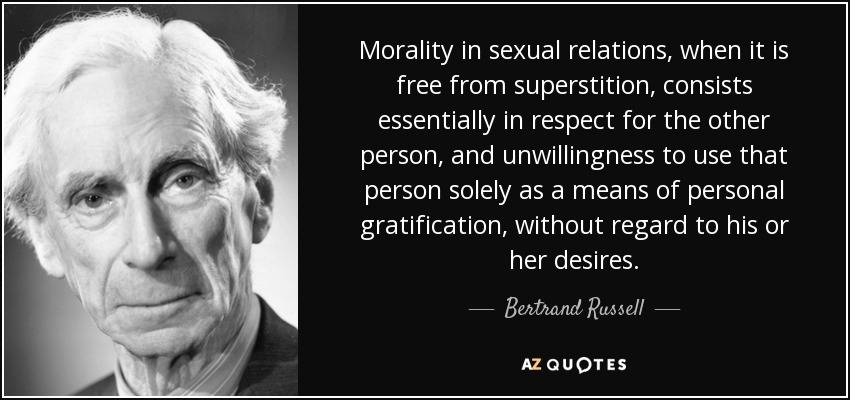
Morality in sexual relations, when it is free from superstition, consists essentially in respect for the other person, and unwillingness to use that person solely as a means of personal gratification, without regard to his or her desires. - Bertrand Russell

All of this said I do have a problem with sleeping around with anyone who is willing. It makes sex into a commodity. I certainly have a huge problem with the attitudes of some to women. Sex to my mind should at least involve liking if not love. It certainly should be respectful on the part of both participants. However women are just as capable of using men as men are of using women. I imagine it isn't unknown in the gay community either.


Saturday, 27 December 2025

Situationships & Ambiguity

I had an enjoyable & interesting Christmas. Not least because I got to really chat to adult grandchildren & their cousins. I am very interested in what their generation think, not just about what is going on in the world, but also about life & relationships. Their lives are so different to mine now & also when I was their age.

So I learnt a new word. Situationship - A romantic or sexual connection without clear labels, commitment or defined boundaries. A grey area between friendship & relationship, which can involve intimacy & emotional connection. It's that last bit that concerns me a little, because it can lead to ambiguity. It's supposedly a relationship without expectations, which is fine if both people understand & are happy with that. If they aren't there is potential to cause confusion & anxiety, especially about the future. 

I've thought about it a bit since I came home. I really don't think this is actually a big change in relationships, it's just that this generation have given a grey area a name. No harm in that. Personal relationships on any level are tricky. There will probably always be misunderstanding & miscommunication. I know what I mean, but you may very well think I mean something else. The important things are honesty & respect.

Teenagers & young adults give the impression that they are fully developed mentally & physically & they really do know more than their parents or grandparents. Actually I think they do about some things. But equally so do we know stuff they don't because we have been around for longer. The human brain doesn't finish developing until around the mid to late 20's. Key areas like the prefrontal cortex (responsible for judgment and planning) mature last, often around age 25 or even into the early thirties. Complex fine-tuning of functions continues well into adulthood. 

There are also differences in the way that different genders think. Not only male & female, I imagine gender fluid brains vary too. Research indicates that male & female brains are wired differently in terms of connectivity. Male brains generally exhibit stronger, front-to-back connectivity within hemispheres, aiding perception and motor skills. Female brains tend to show more side-to-side connectivity between hemispheres, enhancing analytical and intuitive processing. 

Difference is good & can be complimentary. But that brings me back to my concern about ambiguity. So long as everyone in a relationship or situationship is clear & understands the perameters of what is going on I imagine it's fine. But if one partner masks what they really need or want in order to keep the situationship going & isn't honest, or if one isn't clear enough that they don't want any sort of commitment then I can envisage hurt & pain. 

Being young is wonderful. You should be free to experiment & learn from mistakes. But the amount of mental ill health in the young is worrying. 50% of mental health conditions start by 18. Sadly access to mental health provision is appallingly bad. So the young have to do what my generation did, have really good support systems within their family or friendship groups. Because actually in many cases just talking it over with someone does help a lot. 

There seems to be an explosion of mental health diagnosis. I'm not at all sure that is a good thing. Life is a bitch, you do have to learn to cope with it. We create our own thoughts, we have the power to create positive thoughts rather than negative ones. 

https://i0.wp.com/mysoulbalm.blog/wp-content/uploads/2020/07/Inspiring-Quotes-Banners-3.png?resize=671%2C377&ssl=1 

https://mentalhealth-uk.org/help-and-information/downloadable-resources/ 


Wednesday, 5 November 2025

Sick Society

Approximately 9.1 million people of working age (16-64) are not working in the UK. That is the unemployed and the economically inactive. The majority, (9.11 million) are economically inactive, meaning they are not actively looking for or available to work. That includes students, those who are retired, stay-at-home parents, or people unable to work due to long-term sickness or disability. This represents a total non-working rate of around 25% of the working-age population.

Previously the highest rate of unemployment in the UK was 11.9% in 1984, peaking during the economic recession of the early 1980s. Another major peak was in 1993, at 10.7%, during the recession in the early 1990s.  

At the risk of being politically incorrect I just don't understand this. We are not currently in a recession. Long-term sickness is the reason for 28% of all economically inactive people. More than 1.35 million people who are inactive due to long-term sickness report depression, bad nerves, or anxiety as their primary condition. So I have to ask are we a sick society & if we are why?

I remember working when I was quite ill with bronchitis & even pleurisy. I certainly remember working when I was overwhelmed & depressed. I'm not saying that is a good thing, it isn't. Not least because you will undoubtedly infect other people with contageous diseases & you can't function well if you are depressed. But teaching & being a headteacher means that you are in a caring profession & you tend to put the job first, even if that is misguided & supply teachers were difficult to get.

Having had a lifetime of co morbid chronic conditions I am a believer in distraction technique & the benefit of socialising. I can be in pain or feel significantly under the weather, but if I can take my mind off how I feel I do feel better. For me swimming or meeting friends & family is the best cure. If you are diagnosed with something there is evidence that the expansion of disease definitions and advanced technology contribute to overdiagnosis. I'm not saying that it is good to ignore symptoms, it definitely isn't, but mental health diagnoses have grown exponentially. The rate of common mental health conditions in 16- to 64-year-olds went from 15.5% in 1993 to 22.6% in 2023/24. The elephant in the room is Covid of course.

However I do think that my generation & previous generations were more resilient. They coped with massive problems & the NHS only came into existance in 1948. If we over medicalise we are almost conditioning, especially the young & impressionable, to not be able to cope. 

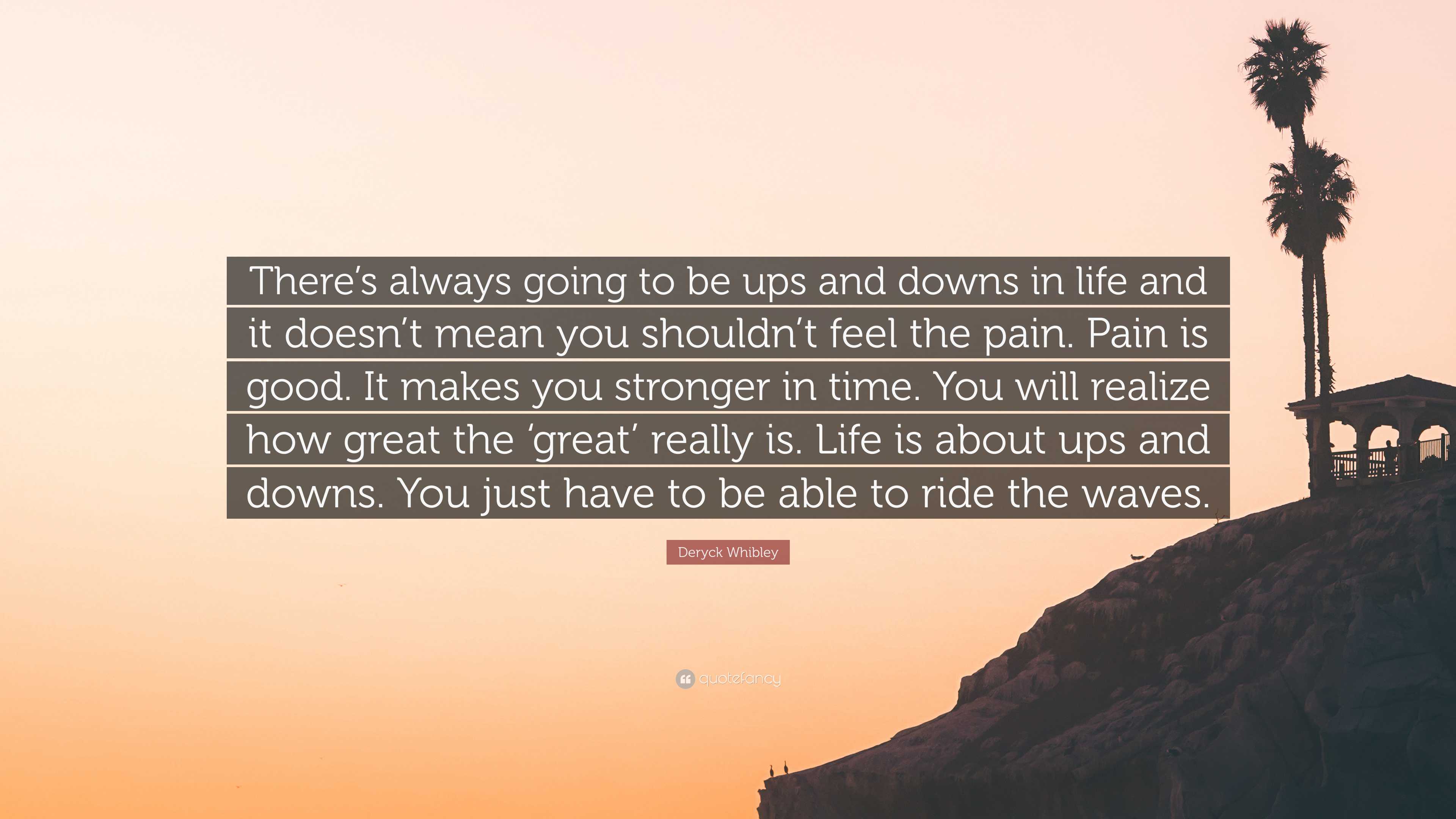
https://quotefancy.com/media/wallpaper/3840x2160/7909254-Deryck-Whibley-Quote-There-s-always-going-to-be-ups-and-downs-in-life-and-it-doesn-t.jpg 

We must not become a sick society. We are better than that. We all need to live full lives & meet the challenges. 

Sunday, 5 October 2025

In Sickness and in Health?

I've got a torn tendon in my right hand & I've had to do a lot of chasing to get anything done about it. It seems that hand clinics & much else have all been outsourced to a private company called CORA. After waiting nearly 3 weeks for an appointment & trying to navigate a dreadful website, I finally phoned them. The woman I spoke to was really helpful & emailed me a "choose & book" form. The Oxford clinic had no appointments at all, Bicester & Banbury had 6 month waits. So I've had to choose Reading which has a 3 month wait. That's despite the GP saying the referral was urgent. I'm right handed, so the impact of the damage is difficult to deal with.

It brought home how the NHS is struggling. This isn't life threatening. Fortunately it isn't excruciatingly painful any more, but I can't put any pressure on with the palm of my hand & the hand is permanently at an angle & very stiff. So washing & dressing, making the bed & washing up for example, are really difficult. When I swim I have to have it splinted & dread someone knocking my hand. My osteopath thinks it might need surgery.

The median wait time for planned hospital treatment in England is 13.3 weeks, according to the latest NHS data from June 2025. I'm assuming that means the first consultation, not actual treatment. The pre-pandemic average was 7.3 weeks in 2019. Apparently trauma & orthopaedics has the highest number of patients on the waiting list, with over 800,000 people waiting in March 2024. So I'm not alone.

I'm doing what I can, I can afford my osteopath who is very good. Swimming helps because I do back crawl which means the water resists the hand & pushes it back a bit. I've bought a gel fidgit ball which feels like squeezing a silicone boob! But my concern is what sort of movement will I be left with after such a long wait to be seen, never mind actual treatment. I need an ultrasound scan to see exactly what the damage is.

But everything needs to be put into context - people are not being diagnosed in a timely way, they are  suffering a lot of pain & disability, some must be dying needlessly, because our health service isn't as good as it should be.

If we want the care we deserve the NHS has to improve the way it operates, (excuse the pun). But we too need to make clear that we want to fund it properly. The UK generally spends less per person on healthcare compared to other high-income European nations, such as France, Germany, the Netherlands, Belgium, Austria, Denmark, Ireland, Norway, Sweden, and Switzerland. This is because other countries are wealthier than the UK, some make better political choices about health care & some make more efficient use of resources. 

There is room for improvement in the NHS, but it needs political will, taxpayers to pay more & the NHS to put it's organisation in order.


https://www.kingsfund.org.uk/insight-and-analysis/blogs/comparing-nhs-to-health-care-systems-other-countries 


Sunday, 7 September 2025

Post Lunch Fatigue

Just as night follows day I struggle to stay awake after eating lunch. I usually sit for a bit & maybe play mahjong or solitaire on my tablet, or read a book. Even if I'm doing something on my computer, my eyelids drag themselves down & I do start to drift off.

My calvanistic upbringing decrees that my days should be productive, so sleeping isn't an option. I have to get up & do something. Things need to be crossed off my "to do" list.

However, I've been talking to someone who told me about "post lunch fatigue" - post any meal actually. But it is more of a thing at lunchtime for me. The scientific name is postprandial somnolence. Apparently it's caused by high-carbohydrate meals that cause a rapid blood sugar and insulin spike, or by high-fat meals that are harder to digest and divert blood flow from the brain. Blood flow to the digestive tract is increased.

We know so much more now about how our body works & how complex a system it is. High-carb meals lead to a surge in insulin, which can cause a subsequent drop in blood sugar, resulting in a feeling of energy loss. Eating triggers the release of serotonin, a hormone that promotes sleep. More blood being directed to the digestive system to process food, can lead to reduced blood flow to the brain, so we are drowsy.

Apparently the solution is;-

  • Eating smaller, lighter, balanced meals
  • Being hydrated 
  • Light exercise to re-energise the body & increase concentration
  • Mindful eating

Who knew?

I thought it was simply an ageing thing & I fight it. I don't want to waste the time I have left alive by sleeping, except at night time. On the other hand my nights are very disturbed & I wake a lot & don't get prolonged restful sleep. 

So I'm now thinking I should look at time differently. Just follow my circadian rhythm. I should listen to my master clock in the suprachiasmatic nucleus (SCN) of the brain. 


I don't think my body likes the current routines my brain has created.  


Saturday, 12 July 2025

Can't Stand the Heat

We have quite a few sayings about heat - "if you can't stand the heat get out of the kitchen", "the heat of the moment", "the white heat of technology", "as hot as hell".....  We have a very mixed relationship to heat, sun & heatwaves. Some love it. I actually dread it because, like many elderly people, I find it really difficult to cope with. I have to virtually shutdown & stay in the coolest room in my house which is North facing. 

We are now experiencing the third successive heatwave this summer in the UK. We have amber heat alerts with temperatures in the 30's & 3 areas now have hosepipe bans. The highest temperature so far was 34.7 degrees. According to RoSPA “Heat is no longer just a holiday perk, it’s a growing public health risk".

If you have pre-existing health conditions heat exacerbates the symptoms. Conditions like heart disease, respiratory problems, kidney issues, and diabetes can be worsened, leading to a higher risk of complications and even death.The body's attempt to cool down during heat exposure puts extra strain on the heart, potentially leading to chest pain, heart attack, or even heart failure in individuals with pre-existing heart conditions. Hot weather can worsen breathing difficulties & reduce oxygen intake. Heat and dehydration can strain the kidneys, potentially leading to acute kidney injury, especially in individuals with existing kidney problems. Some medications, such as diuretics, beta-blockers, and drugs for mental health, can interfere with the body's ability to regulate temperature and maintain proper fluid balance, making people more vulnerable to heat-related illnesses.

People like me with chronic health conditions need to take extra precautions during heatwaves, such as staying hydrated, avoiding strenuous activity, and seeking shade or air-conditioned environments. Actually I find there is no choice, because I simply do not have the capacity to do anything even slightly energetic. So the ironing remains unironed, the plants aren't watered, the bed is never made & the washing up sits and looks mockingly at me.

But I don't mind that. It will all get done eventually. What I mind is the enforced inactivity. The constant discomfort. 

But I am fortunate because I can & do swim, which is a temporary respite & makes sure I do get some exercise. I have family living nearby & friends who keep in touch. So many people are struggling with the results of climate change who aren't as lucky. 

The Climate Emergency needs to be taken far more seriously by everyone. We can see the evidence clearly, not least in the wildfire statistics. 

https://gwis.jrc.ec.europa.eu/apps/gwis_current_situation/index.html

https://www.bbc.co.uk/news/articles/c0m9gm3jwljo 

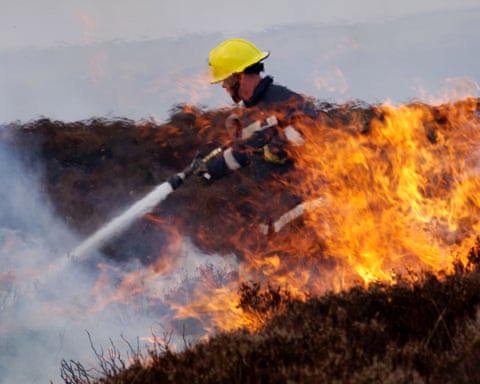
Firefighter hoses down wildfire on heather moorland

Heat is a killer, in more ways than one. 


Friday, 4 July 2025

Bodies - Love them or hate them?

I recently watched "Good Luck to you Leo Grande" starring Emma Thompson.

https://www.imdb.com/title/tt13352968/

It was a brave movie for a woman of a certain age to make. Especially the final scene where she literally bares all. It made me think about body image & sexual mores. 

A large proportion of adults are either overweight or obese in the UK, and the issue disproportionately affects those in more deprived areas. Obesity is associated with a range of health problems, including increased risk of heart disease, type 2 diabetes, and certain types of cancer, which places a substantial burden on the NHS and the wider economy, with rising costs for treatments and care. Obesity rates are also high among children, with a notable disparity between children from more and less developed areas.

I am not suggesting that Emma Thompson is obese or has any form of body dismorphia. 

At the other end of the scale the prevalence of anorexia (trying to control your weight by not eating enough food, exercising too much, or doing both), bulimia (losing control over how much you eat and then taking drastic action to not put on weight) & binge eating disorder (eating large portions of food until you feel uncomfortably full) seems to also be high. At least 1.25 million people in the UK are living with an eating disorder. That's more than 1 in 50 people – but the real number could be even higher.

Cosmetic plastic surgery & enhancement procedures seem to be on the rise in the UK to address perceived flaws or insecurities. The portrayal of "perfect" bodies and faces by influencers and celebrities on platforms like Instagram and TikTok can create pressure on young people to pursue cosmetic enhancements to achieve similar looks. Reality TV shows featuring individuals who have undergone cosmetic procedures contribute to normalizing and even glamorizing surgery, making it seem like a readily attainable option. The negative impact of unrealistic beauty standards perpetuated by media and social media is really worrying & the "treatments" can be risky. Especially as the sector isn't well regulated.

It is normal to have a wide variety of human body shapes. To my mind it shouldn't be normal to put a huge strain on your body & organs because of excessive weight or extreme thinness. I sometimes look at faces, buttocks & breasts of some women who have had fillers & feel that we have gone too far in our manipulation of what we look like. While it is good to make the best of what nature gave us, we should feel comfortable in our own bodies. Who are we trying to please, ourselves or others?

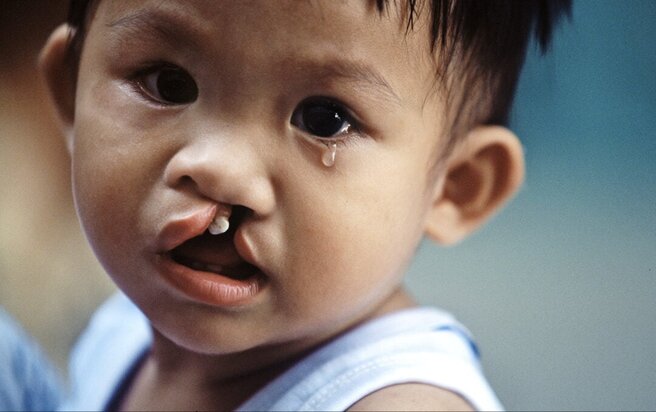
There are people who really need the help of clever surgeons, children who are born with cleft palates for example. Most of us really don't. We should be able to understand that what we look like does not determine who we are. We need to value ourselves enough to be confident & not abuse the bodies we have. 

 Crying girl with a cleft lip and cleft palate


Saturday, 19 April 2025

Transgender & Body Dysmorphia

I was born a woman & have always thought of myself as a woman. So I am not able to imagine what it might be like experience BDD. I have seen the sexual landscape change enormously in my lifetime. The mores that I grew up with have largely disappeared. That can be both good & bad. It's not my job to judge. I would like to understand though.

The UK Supreme Court has just ruled that the legal definition of a woman should be based on biological sex. Because of my age & experience that does seem to me to be logical. The impact on trans people & many areas of life in the UK will be huge. But Trans people will still have their rights protected by the Human Rights Act.

I can clearly remember when being homosexual was illegal. Naively I didn't think I knew any homosexual or lesbian people at the time. But statistically I must have. Looking back I can identify people who were probably in that category. Thank goodness we have come to realise that being gay is part of being normal. Now I have several lovely close friends who are gay. We have moved on & are mostly more tolerant.

I find transgender a much more complex situation to deal with. So I googled to find out more - as you do.

Body dysmorphia, also known as Body Dysmorphic Disorder (BDD), is thought to be caused by a combination of factors, including genetics, brain chemistry, & environmental experiences. A family history of BDD or other related mental health conditions, like OCD or depression, may be factors. Differences in brain structure & activity in individuals with BDD, particularly in areas responsible for processing visual information and regulating emotions exist. Some researchers also believe that low levels of serotonin, a neurotransmitter, may play a role. Bullying, teasing, abuse, or neglect, can significantly increase the risk of developing BDD. Western society's emphasis on physical perfection and beauty can contribute to negative body image and feelings of inadequacy, potentially triggering or worsening BDD. That is exacerbated by social media, which often portrays unrealistic standards of beauty. Perfectionism & low self esteem can also be factors.

I am wary of the current trend to over medicalising & over diagnosis of people today. I am not convinced that it helps. I'm not talking here about physical conditions like Cancer or Parkinsons. I'm talking more about the power of our brains to create thoughts & perceptions that may not be accurate. There is evidence that we humans have a tendency to live up to a diagnosis, particularly a mental one.

However, the fact is that humans are far more diverse that we knew. Medical science has moved on & there is very interesting neurological research that is producing evidence to explain much that should make us more accepting of difference.

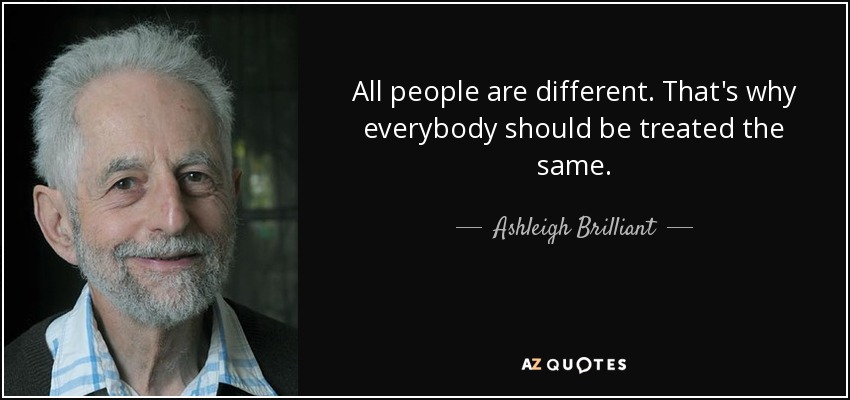
 https://www.azquotes.com/picture-quotes/quote-all-people-are-different-that-s-why-everybody-should-be-treated-the-same-ashleigh-brilliant-136-44-33.jpg

Surely we can simply accept that we are different, not only in how we look, but what we believe, what our cultural norms are. If we can't do that we will just become more judgmental & adversarial.  

Saturday, 30 November 2024

Having a Voice

Old people, especially women, often say that they feel they are invisible. They can feel like unwanted outsiders in society, and may withdraw into isolation, in reality it's possible that we oldies collude in that. It's a form of ageism.

According to research by the Mather Institute the UK had the most negative ageist attitude, followed by a cluster of India, Bangladesh, Canada, the US, and Kenya. The most positive were Sri Lanka, followed by Ghana and Tanzania. "They found that ageism was not related to the proportion of older adults in the population or speed of ageing population growth. However, greater long-term orientation and greater masculine cultural dimensions were associated with greater ageism". "Ageism may be greater in these societies because they favour strength and competition, characteristics that are generally not associated with older adults". Conversely countries influenced by Buddhism, Taoism and Confucianism, such as Japan, China, Korea and Vietnam all value wisdom imparted by elders and treat them with a high degree of respect.

Fridays debate in the UK Parliament gave a voice to politicians on the issue of assisted dying. For once, it was a debate worth listening to. As a free vote there was no party affiliation & cross bench "yah booing". People actually listened to the points being well made. The voices on both sides were heard. I wish that happened all the time. 

We all have a voice, whatever our age, position in society, education & condition. The trouble is some voices are louder than others, some out shout more moderate voices. Some people even feel that their opinion is actually more important than others because of their intellect, education or status. These things may be important, but I think that experience matters more. 

We need to listen to people who know first hand what a situation is like. That is why we do need to listen to the voices of the elderly. They have years of experience of a huge variety of situations. They see repeating patterns & cycles & learn from them. 

On the other hand, we oldies really shouldn't "bang on" about our lives repetetively & boringly. We shouldn't be trapped in the past, it really wasn't necessarily that brilliant. We should be selective & just pass on the real nuggets of experience that might help in our current very complex world. 

We need to earn respect. It isn't a right.

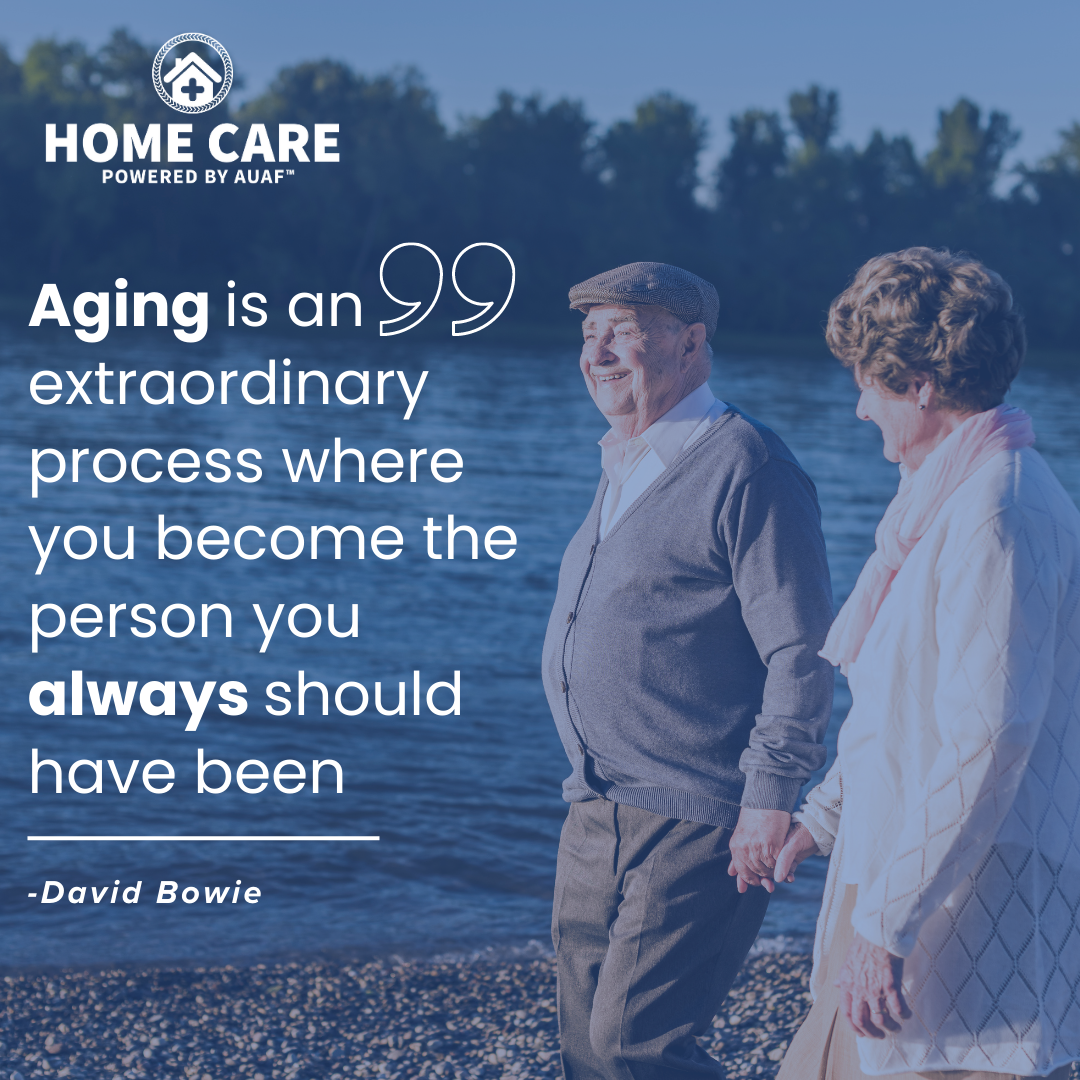
 Inspirational Quotes About Aging for Seniors -


Thursday, 7 November 2024

NHS - How Much Does it Cost? -

My husband always thought that we don't really value the NHS because we don't directly pay anything for what we get. It's free at the point of need. I don't think that is sustainable any longer. 

So I'm digging to find out what the cost of the simple basics are. It isn't easy. The Kings Fund is helpful. https://www.kingsfund.org.uk/insight-and-analysis/data-and-charts/key-facts-figures-nhs

Full Blood test - Couldn't find NHS cost. Private (Spire Healthcare) approx £160. Includes the practice charge for taking the sample and a laboratory fee for processing the specimen. £109 (Nuffield Healthcare).

Urine Test - Couldn't  find NHS cost. Private (Spire) includes a consultant fee £150 - £230

RSV Vaccination - Ive just had this free on the NHS. Privately it costs £180 - £200 (Pharmadoctor)

Flu Vaccination - Boots £21.95. Rowlands £17.99.

GP Appointment - A 2022/23 study estimated that a 10-minute face-to-face GP consultation costs around £56.

Prescription NHS estimates that the average prescription costs around £28. 

Outpatient Appointment NHS is around £120 

Inpatient CostGeneral ward: £351 per bed day. Isolation ward: £586 per day. ICU: £1,621.16 per day.

What we need to do, in the face of the ever rising costs of NHS care, is have a real conversation about how we can make the NHS viable, without the huge cost to the taxpayer while retaining the general principles that we all love. We need to think about a hierarchy of need. Obviously A&E and serious medical conditions need to remain free at point of need. But why shouldn't we either be prepared to pay something towards the day to day smaller costs or be prepared to take out insurance to cover those?

According to the Irish nurse who did my RSV vaccination, health insurance is not uncommon in Ireland. I think that may be the Republic, not Northern Ireland. https://www.movehub.com/uk/moving-abroad/ireland/healthcare-for-expats/#four

If we accept that neither the UK nor the NHS is the same as it was in 1948, we surely have to accept that we need to find a new model for the 21st Century. Rather than ever increasing taxes shouldn't we be prepared to either pay a bit towards some things or have basic, relatively inexpensive, insurance for some things?

How NHS Funding Is Spent Pixel Infographic

I certainly think that if we make lifestyle choices that increase the risk of needing healthcare, like taking part in some sports, we should be responsible for having an insurance policy. I also think that now the NHS sends out text reminders for appointments there is no excuse for simply not turning up or cancelling. There should be a hefty fine. Having everything, always, free just doesn't seem viable.

Monday, 16 September 2024

A Visit to A&E

I have just spent most of the weekend in the A&E of my local hospital. It isn't the first time, unfortunately I am someone who gets far more than their money's worth from the NHS. I never cease to be grateful for the care & skill of medics. How they cope with the sheer volume & variety of patients & the working conditions continually amazes me. Morale & care seems surprisingly high considering what they have to put up with, so I would never criticise the people who actually work in the NHS.

I do think the system needs a serious overhaul though & have blogged about it before. If they were to follow patients journeys through the system I think they might see opportunities for improvement.

I don't need to bore you with the detail of the circumstances that sent me there, but I will tell you the progress through it. 

14.30 - medical incident -> phoned 111-> initial speedy triage (efficient) -> 2nd triage, same questions but much longer & very inefficient. Took about 45 minutes. Both my daughter & I found it very difficult to understand the person asking questions -> doctor eventually rang hours later -> told to go to out of hours appointment at 19.00 -> a wonderful, competent, GP who sent me to A&E with a printed copy of the notes she took of all the neurological tests she did -> A&E 20.15 receptist + nurse then waiting room -> 9 hours in various waiting areas in a chair! Eventually triaged, same questions, ECG, Bloods, Blood pressure. Doctor eventually, same questions & tests as previously & a CT scan. No one was very interested in the very good notes the out of hours GP had given me. Everyone wanted to go through the same tests & questions themselves & didn't seem to know what the outcome of the previous persons questions & tests were. Long gaps between every interaction with no information -> eventually discharged at about 05.15 next morning. 

I was utterly exhausted having had no sleep & in quite a bit of pain because sitting in really uncomfortable chairs triggers some of my normal health conditions. 

I can completely understand why everyone a patient sees has to ask name, DOB & address. They need to know they are treating the right person. 

What I simply don't understand is why so much time is apparently wasted answering exactly the same health & incident related questions & doing exactly the same neurological tests. Why don't medics have ipads to enter the information as they go & share it with everyone treating that patient? In fact, does a single patient really need to be seen by so many people?

Triage means the preliminary assessment of patients or casualties in order to determine the urgency of their need for treatment and the nature of treatment required.
If my condition had been more serious than it turned out to be I would possibly have been dead after the time that elapsed.

When I got home at about 06.00 next morning, after waiting for a taxi, I went to bed. The hospital apparently tried to phone me around 9.30 to call me back for another CT + angiogram. My phone was turned off, but fortunately I woke up at about 11.00 & my daughter got through in time to collect me & take me back.

I'm fine now. But at 79 with several chronic conditions that experience was very trying. 

I completely understand from far too much experience, as far as a patient can, the difficulties the NHS operates under, (apologies for the pun). I just think that one of the great failings of the system is effective communication & sharing of information. In this age of modern technology it is really not acceptable to be wasting so much time in repetition. The use of ipads might be expensive initially but they could also be linked to the whole NHS computer system & from that every surgery & hospital could access a patient history in real time.

There must be other ways technology could be used to make the system better for medics & patients. 


Thursday, 20 June 2024

Contamination

Between 1970 and the early 1990s, more than 30,000 NHS patients were given blood transfusions, or treatments which used blood products, which were contaminated with hepatitis C or HIV. Over 3,000 people have died as a result, and thousands live with ongoing health conditions. The Langstaff Inquiry was published in May this year.

"Failures caused this to happen, each on its own is serious. Taken together they are a calamity".

There were "Systemic, collective and individual failures to deal ethically, appropriately, and quickly, with the risk of infections being transmitted in blood, with the infections when the risk materialised, and with the consequences for thousands of families"

"1,250 were infected with HIV. The best estimate is that this included 380 children" "Almost all infected with HIV were also infected with Hepatitis C and some with Hepatitis B and Hepatitis D as well." "Three quarters of these have died"

"A larger number still, (between 2,400 and 5,000 people with bleeding disorders), who were not infected by HIV, received blood products infected with one or more hepatitis viruses, and developed chronic Hepatitis C"

"People who were infected by transfusions, rather than by blood products, were infected in even greater numbers. Between 80 and 100 were infected with HIV after a blood transfusion. Approximately 26,800 were infected with Hepatitis C after a blood transfusion"

Needless infections were caused by;-

  • Failures in the licensing regime from 1973 in allowing importation and distribution  of contaminated blood products
  • Failure to ensure a sufficient supply of Factor 8 concentrates from the plasma of UK donors
  • Failing to encourage and finance research into methods of viral inactivation of contaminated factor concentrates 
  • Denial of the risks

On & on & on - See  https://www.infectedbloodinquiry.org.uk/sites/default/files/Volume_1.pdf

I posted on my Blog about  "Inquiry Culture Shock - Openness or Cover Up" in May this year. The amount of gross incompetence, cover ups & downright lies just seems to be never ending. I watched "In Cold Blood" last night.

https://www.itv.com/watch/news/in-cold-blood-the-award-winning-documentary-about-the-biggest-clinical-disaster-in-nhs-history/g8g3fsd 

What has led to the situation we seem to be in where people do not admit to any failure or mistake? Where people routinely lie & prevaricate to avoid responsibility? Where people will seemingly do anything, accept any consequences, including serious illness & death, in order not to accept blame & the consequences of their actions or inactions?


Are we as a nation so morally corrupt that we will just let this creeping toxicity happen? 

Why don't heads roll? Why aren't they sacked? If laws have been broken, why aren't they prosecuted? 

Thank goodness for the many brave people who fight for the truth, often at great cost, & often for years.


Saturday, 13 January 2024

Job Descriptions - Parents & Teachers

I was a full time teaching head in a small primary school. I taught the juniors in the main building where the childrens loos were. The infants were out in a terrapin. One day at the beginning of the academic year I heard screaming from the girls loos. I rushed out & left my class. There was a new, first year, infant sitting on the lavatory screaming. She had never been to the toilet alone & didn't know how to wipe her bottom. Her mother had always done it. That was how she got her mothers attention.

It was my first headship & I learned a valuable lesson. From then onward I always did a talk for prospective parents, before their little angels came to school, about the sort of skills we needed children to have to be able to participate in learning. Basic things like being able to dress & undress themselves, operate a tap & wash their hands, go to the toilet, feed themselves.....Tooth brushing didn't come into it. The assumption was that parents did this in the morning & evening before & after school. Apparently children aren't able to brush their own teeth properly until they are between 6/8 - 9/10. Before 6 they don't have the dexterity. It should be done either before a meal or about 30 minutes after a meal.

So I am wondering why there is a move for schools to undertake supervised tooth brushing in school. I know there are breakfast clubs in schools with  50% or more children in IDACI (Income Deprivation Affecting Children Index) bands A-F. A being the most deprived. Children can't concentrate & learn if they are hungry, so I'm in favour. There are lots of benefits when so many families struggle to pay their bills & feed their children.

What I don't understand is how we have reached a stage where Education is expected to take on more and more of a parental or social work responsibility. The curriculum is already very wide & it's difficult to put everything educationally necessary in the hours available. The Arts & Sport timetabling has already been reduced because of the pressures of "core subjects" & the shortage of teachers confident & skilled to teach them. 

I would argue that basic personal skills should have been taught by parents before their children ever get to school. Children should also have been taught to be able to sit still & listen, to take their turn, to share with others. If you don't have these skills you cannot learn. If teachers have to teach these skills to some of their children, what are the children who are already ready for the demands of school going to do? In the case of teaching tooth brushing, do the majority of primary schools even have toilet areas where large numbers of children can brush & spit? Especially when each primary class may well have in excess of 30 children. The logistics don't stack up.

It seems to me that the fundamental problem is that some parents don't have adequate parenting skills. So they have expectations of what education can do for them that are unrealistic & in my view inappropriate. I would have thought that equipping parents with good parenting skills should be relatively easy & not hugely expensive. That could be school based, perhaps in the holidays, before a child starts school. It would benefit all the children in a family not just one.

I don't blame parents. Many have not been brought up by parents with good skills themselves. That doesn't mean they don't love their children. I do think that most parents would welcome help. Not just in this area, but also with setting goals & rules & enforcing them to encourage good behaviiour. 

It's hard enough being a parent of 1 or 2 children. Teaching a class of 30 plus is very rewarding, but can be an uphill struggle. 

Teacher Jokes, home school