Nationalisation is public ownership of private assets, industries or companies. It's often done to manage monopolies, market failures or secure infrastructure. The aim is to prioritise public interest over private profit & ensure service quality & efficiency.
Privatisation is the transfer of ownership of assets, services or industries to the private sector. The aim is to increase efficiency, reduce government debt & foster competition.
As with everything there are pros & cons for both.
Pros - Nationalisation is supposed to increase investment in infrastructure, lower prices for consumers, ensure better working conditions for workers & improve strategic control. Cons - Lower efficiency, lack of innovation, political interference & high costs.
Pros - Privatisation is supposed to increase efficiency, reduce public spending, reduce political interference & improve innovation. Cons - Higher consumer prices, job losses, prioritisation of profit over public service, environmental damage & loss of public accountability.
Since the Thatcher government of 1979 the UK has undergone extensive privatisation of major state owned utilities & industries - energy, telecommunications, water, transport, Royal Mail, steel, shipbuilding, aerospace, parts of the NHS, the Private Finance Initiative, justice, education, probation & social care. In other words a huge number of areas that directly affect the lives of every UK citizen. The tragedy is that has meant our services are worse, everything is a lot more expensive & jobs & working conditions have been adversely affected. Its a really dismal picture.
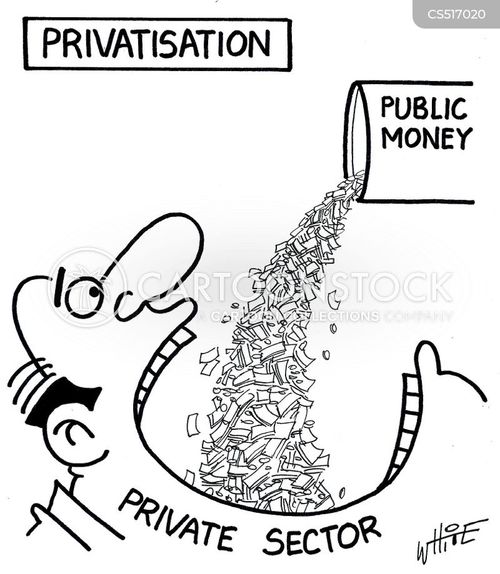
At the same time salaries & bonuses for the people at the top who run these privatised areas have gone through the roof reaching record levels in 2024 -2025. For many, following consecutive years of increase above inflation & workers wages. Bonuses too reached record levels despite very poor performance in some areas. Shareholders, who are presumably doing well too, voted for these bonuses & pay levels. Hardly an independent voice. It's not edifying to see the bosses & shareholders doing so well when the people who work for them are struggling to provide for their families.
Sadly privatisation has been a failed experiment because of it's adverse impact on people, the environment & what has been privatised. There are things that are so fundamental to a society being able to function well, that they need to be managed for the benfit of that society by those with a vested interest in them. They need to have effective oversight. Water companies have been a catastrophic example of privatisation failure.
I can apply similar arguments for the selling off of major infrastructure to foreign, not always benign actors. This has followed on from privatisation. So now a significant portion of the UK's critical national infrastructure is owned by foreign governments or companies & sovereign wealth funds - water, energy & power, airports & ports, transport, digital infrastructure.
What on earth were our government thinking? Well obviously they wern't "risk assessing" or considering possible & probable outcomes in the face of changing circumstances in the future. What they were doing was two things - raising money so that they could keep taxes low & create wealth, thus retaining power. But not only wealth for the country, but for themselves & their network of business friends & acquaintances.
It all started with Mrs Thatcher, but her party has continued the rot for years. So now we are in real trouble & it is debatable whether we can extract ourselves from the mire. We need effective long term planning, but our political system is not set up to do that. Decisions are made in order to keep power in local elections & ensure a second or third term in government.
We really need highly intelligent, experienced & skilled people to do the evidence based 5 -10 year planning. Not politicians, who generally know nothing about their brief when they become ministers. It used to be the job of the Civil Service. But now we have lobbyists & special advisors. As
of March 2025, there were 130 special advisers (SpAds) employed across
the UK government, representing roughly 0.02% of the total Civil Service.
While the number of registered lobbyists is not centrally capped,
research indicates a significant "revolving door," with 31% of former
special advisers moving into corporate lobbying or advisory roles. These are not elected & we know little about them & what they do.
It all needs to be a lot more efficient & transparent.


No comments:
Post a Comment